

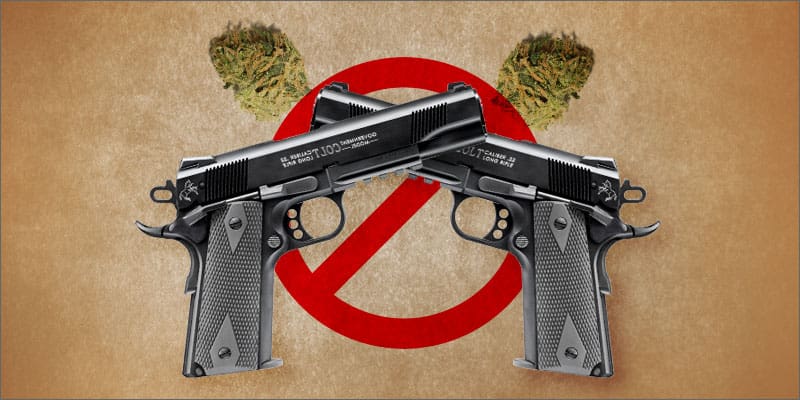
A Pennsylvania Air Force veteran’s 1994 marijuana conviction has become the latest flashpoint in the national fight over lifetime carry bans, and the Gun Owners of America is betting the case could crack open the state’s rigid “shall-issue” loopholes. The challenge zeroes in on how a decades-old, non-violent offense—now legal in much of the country—still strips a veteran of his Second Amendment rights without any individualized assessment of dangerousness. By pairing the plaintiff’s clean post-conviction record with Bruen’s text-and-history test, GOA is forcing courts to confront whether lifetime prohibitions based on minor drug offenses can survive constitutional scrutiny when the underlying conduct no longer qualifies as criminal in most jurisdictions.
The implications stretch far beyond one veteran’s permit application. If the suit succeeds, Pennsylvania’s lifetime ban could serve as a template for dismantling similar automatic disqualifiers in other states, especially those still treating old marijuana convictions as permanent scarlet letters. That would shift the burden back onto the government to prove, rather than presume, that an applicant poses a threat—exactly the individualized inquiry the Supreme Court signaled in Bruen. For the broader 2A community, the case is a reminder that incremental victories against lifetime prohibitions can snowball: each restored right chips away at the administrative state’s ability to disarm citizens for ancient, low-level offenses that modern policy has largely abandoned.


