

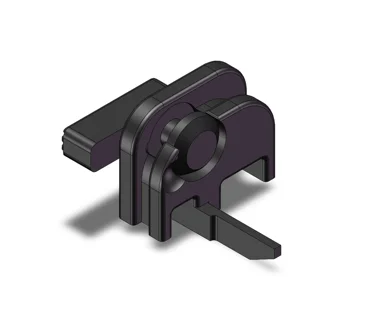
The emergence of a newly modeled Glock switch—drawn from scratch because no comparable file existed—highlights how quickly the aftermarket ecosystem can fill perceived gaps in the marketplace. What began as a simple observation (“no one had uploaded a model of this type”) quickly turned into a digital blueprint that can be shared, iterated, and, in some jurisdictions, legally produced on a home machine. For Second Amendment advocates, the episode underscores a core tension: the same tools that let hobbyists customize firearms also invite regulators to redraw the line between an accessory and a machine gun. The fact that the model surfaced first in open repositories rather than on store shelves shows how innovation is migrating from factories to forums, forcing both enthusiasts and lawmakers to confront questions about digital files, unfinished receivers, and the definition of a “firearm” itself.
Beyond the technical novelty, the story illustrates the broader cultural shift within the gun community toward decentralized, user-driven design. Where previous generations relied on catalogs and gunsmiths, today’s shooters swap STEP files the way earlier tinkerers once traded springs and sears. That shift empowers individuals to exercise their rights in new ways—repairing, upgrading, or even creating configurations that manufacturers have never offered—but it also places responsibility squarely on end users to understand federal definitions of “conversion devices.” The 2A community’s response so far has been characteristically proactive: forums host spirited debates about legality, safety, and best practices, while legal-aid groups publish plain-English explainers to keep hobbyists on the right side of ATF rulings. In effect, the Glock-switch model is less a product launch than a referendum on how far the principles of open-source collaboration should extend into firearms technology.
Ultimately, the episode is a reminder that rights and responsibilities travel together. As more builders experiment with files that blur the line between semi-automatic and full-automatic function, the community’s credibility depends on demonstrating that decentralized innovation can coexist with rigorous compliance. Whether through improved educational outreach, voluntary design constraints, or advocacy for clearer statutes, the 2A world has an opportunity to shape the narrative instead of reacting to it. The next chapter will likely be written not in courtrooms alone, but in the same repositories where this model first appeared—by users who recognize that the future of firearms freedom will be determined as much by the quality of their digital citizenship as by the hardware they produce.


