

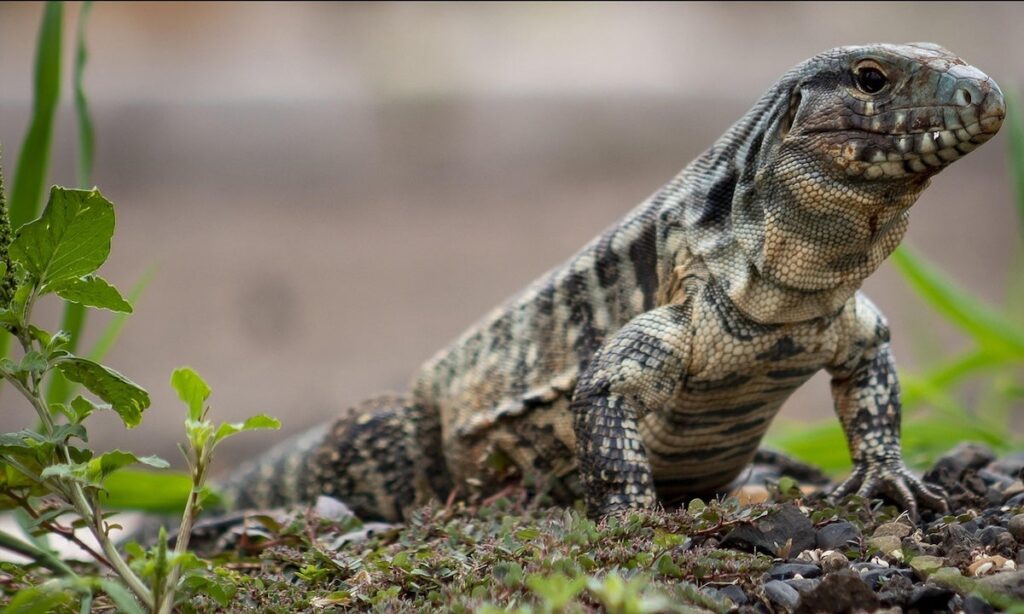
Georgia’s call to arms against the Argentine black-and-white tegu isn’t just another wildlife bulletin—it’s a textbook case of how quickly an unchecked invasive species can rewrite an ecosystem, and why the Second Amendment remains the most practical tool for rapid-response conservation. These foot-long lizards, capable of eating ground-nesting birds, small mammals, and even the eggs of endangered sea turtles, have already established breeding populations in Toombs and Tattnall counties. State biologists are essentially deputizing every landowner and hunter within range, urging them to dispatch the reptiles on sight. That message lands differently in a constitutional-carry state where a sidearm or rimfire rifle is never far from reach; it underscores that lawful gun owners are often the first, best line of defense when government resources are stretched thin.
The deeper implication is that invasive-species management is quietly becoming another arena where the right to keep and bear arms intersects with everyday land stewardship. Unlike federal agencies that must navigate budgets, environmental impact statements, and activist lawsuits before acting, an armed citizen can neutralize a threat in real time without paperwork. This mirrors the same logic that justifies armed wildlife protection in Alaska, Texas, and other states where feral hogs, coyotes, and now tegus threaten agriculture and native fauna. Far from the caricature of “gun nuts” itching for targets, these shooters are performing an ecological service that cash-strapped departments openly admit they cannot scale on their own.
Ultimately, the tegu story is a reminder that constitutional rights are tools, not museum pieces. When an apex predator—whether four-legged or scaly—shows up in your backyard, the ability to respond immediately with a legally carried firearm is what separates proactive conservation from reactive hand-wringing. Georgia’s residents aren’t just being asked to notice an invasive lizard; they’re being trusted to do something about it, and that trust rests squarely on the continued vitality of the Second Amendment.


