

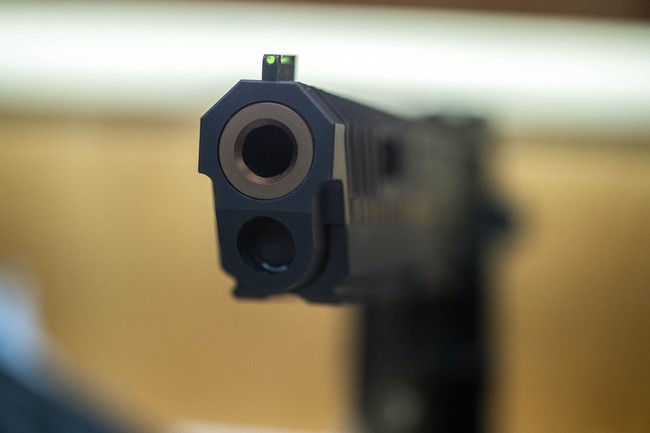
A Georgia police officer now faces involuntary manslaughter charges after his service weapon discharged during an arrest, sending a round into a suspect and underscoring how quickly a negligent trigger squeeze can turn a routine encounter into a felony prosecution. The incident is a textbook reminder that the same rules of muzzle discipline and trigger finger placement apply to badge-holders as they do to civilians; when those fundamentals collapse, the legal system does not grant special exemptions simply because the shooter wears a uniform. For the 2A community the takeaway is twofold: first, every negligent discharge erodes public trust and hands anti-gun advocates fresh talking points about “irresponsible gun owners,” and second, the officer’s prosecution demonstrates that accountability can cut both ways—something many gun owners have long argued should be the standard rather than the exception.
Beyond the immediate facts, the case highlights the widening gap between law-enforcement training standards and the expectations placed on armed citizens. Departments routinely drill recruits on weapon retention and stress-fire scenarios, yet lapses still occur; if professionals with daily range time and department-issued holsters can still produce an unintended shot, the margin for error among permit holders who train sporadically is even narrower. That reality fuels the push for more rigorous qualification requirements and insurance mandates in some states, proposals the gun-rights movement must meet with better training access rather than reflexive opposition. At the same time, the officer’s indictment may blunt the familiar narrative that only private citizens are reckless with firearms, giving pro-2A voices an opening to argue that safe gun handling is a universal obligation, not a partisan one.
Finally, the story arrives against a backdrop of mounting “lawfare” tactics aimed at both gun manufacturers and individual carriers, where a single high-profile mistake is leveraged to justify broader restrictions. When an officer’s error becomes front-page news, the risk is that legislators conflate negligence with the mere presence of a firearm, accelerating magazine bans, red-flag expansions, or qualified-immunity reforms that ultimately affect everyone who carries. The 2A community’s best defense is relentless emphasis on personal responsibility—documented training, safe-storage practices, and zero tolerance for cavalier handling—so that preventable tragedies do not become the pretext for collective punishment.


