

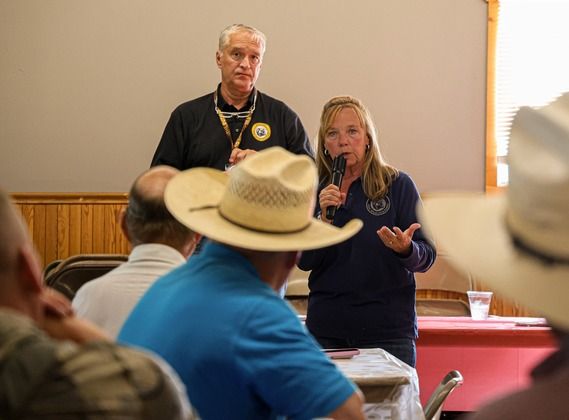
In the rugged foothills around Choteau, Montana, the conversation about grizzly bears is quietly reshaping the same principles that underpin the Second Amendment: local control, self-reliance, and the right to defend life and property. When Montana Fish, Wildlife & Parks Director Christy Clark sat down with landowners and Teton Farm Bureau President Cody Shick, the message was clear—federal recovery zones that have already hit their population targets should no longer handcuff states that know their own terrain best. The proposed U.S. Fish and Wildlife Service rule change would hand Montana the flexibility to manage bears in the Northern Continental Divide and Greater Yellowstone ecosystems once those benchmarks are met, a shift that echoes the broader fight over who ultimately decides how Americans protect themselves when government rules lag behind real-world threats.
For the 2A community, this isn’t just wildlife policy; it’s a live demonstration of why centralized, one-size-fits-all edicts often fail the people they claim to serve. Ranchers and farmers who lose livestock—or worse, face bears in their yards—understand that delayed federal permits and distant bureaucrats can leave families exposed in the same way overly restrictive gun laws leave citizens vulnerable. By pushing for comments through August 17, groups like the Farm Bureau are doing more than tweaking bear quotas; they’re reinforcing the precedent that states and individuals retain the authority to respond decisively when federal management becomes an obstacle rather than a safeguard. If the rule moves forward, it could serve as a template for returning other resource decisions to the local level, a development that aligns with the constitutional logic that those closest to the danger are best positioned to handle it.
The stakes extend beyond livestock losses. When states regain management flexibility, they also regain the ability to set practical carry policies, streamline defense-of-property rules, and reduce the legal gray areas that currently force Montanans to choose between federal compliance and personal safety. That alignment of wildlife policy with self-defense rights is exactly why pro-2A voices should watch this rulemaking closely: every inch of authority clawed back from Washington is an inch that can be used to affirm the fundamental right to keep and bear arms in defense of hearth and home.


