

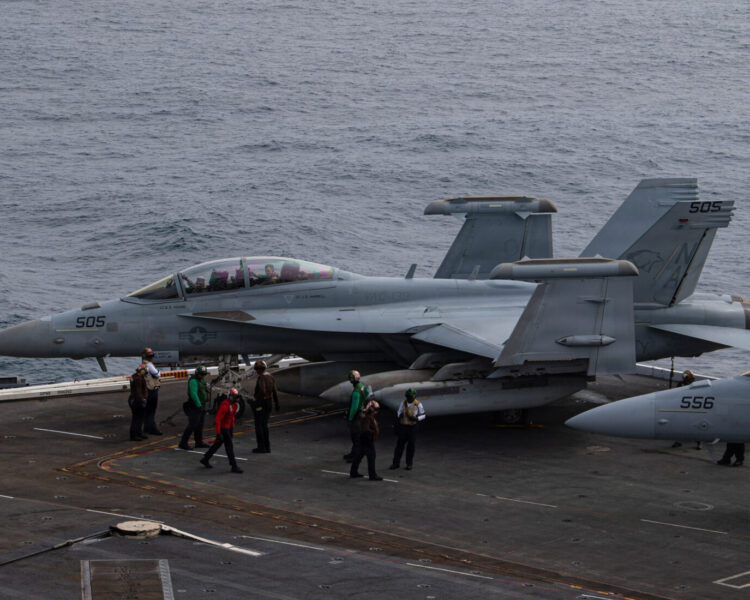
From the ragtag militias of 1775—farmers and tradesmen who answered the call with their own muskets and powder—to the globe-spanning force that emerged after 1945, America’s military story is inseparable from the private citizen’s right to keep and bear arms. The Continental Congress never could have fielded an army without the widespread ownership of firearms that predated Lexington and Concord; those privately held weapons became the seed stock for every subsequent expansion of national power. What the source text frames as “strategic transformation” actually reveals a recurring pattern: when the federal government needed sudden, massive manpower, it turned first to an armed populace already trained in the use of rifles, then layered professional institutions on top of that foundation.
That same pattern carries direct implications for today’s Second Amendment debates. The evolution from citizen-soldier to superpower did not erase the original reliance on an armed citizenry; it merely masked it behind carrier fleets and precision munitions. Every major conflict since the Revolution has drawn on reservists, National Guardsmen, and individual marksmanship skills first honed outside government programs. For the 2A community this history is a reminder that the right to bear arms is not an antique relic of frontier life but a living strategic asset—one that still underwrites the nation’s ability to surge forces faster than any conscription system could manage.
Looking forward, the same decentralized network of privately trained shooters, reloaders, and armorers that once supplied Washington’s army now sustains everything from competitive shooting sports to private security contractors supporting overseas operations. Attempts to sever that link under the banner of “modernization” ignore the empirical record: nations that disarmed their populations first had to rebuild military capacity from scratch when threats emerged, while the United States has consistently fielded expeditionary power on short notice precisely because the skills and hardware already existed in civilian hands. The arc from militias to superpower therefore underscores rather than undermines the enduring logic of the Second Amendment: an armed citizenry remains the most reliable guarantor of both individual liberty and national resilience.


