

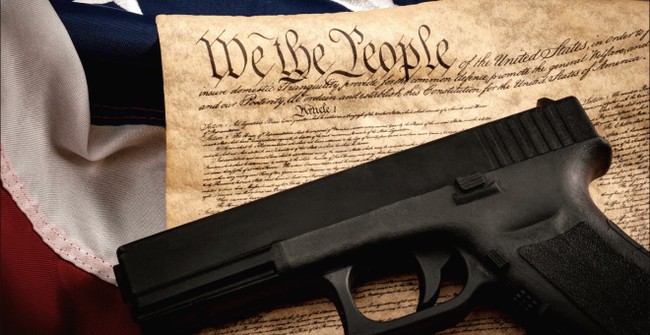
The Firearms Policy Coalition’s lawsuit against Louisiana’s age-based handgun permit ban is more than a legal skirmish—it’s a direct challenge to the post-Bruen reality that states can no longer hide behind “may-issue” discretion or arbitrary age cutoffs. By arguing that 18-to-20-year-olds are part of “the people” protected by the Second Amendment, FPC is forcing courts to confront the historical record: at ratification, militia service began at 18, and young adults routinely bought, carried, and used arms without special government permission. Louisiana’s scheme, which treats otherwise law-abiding adults as presumptive risks solely because of their birth year, collides with that tradition and with the Supreme Court’s instruction that modern gun laws must be “consistent with the Nation’s historical tradition.”
If the Fifth Circuit agrees, the ripple effects will be immediate. Permit issuers in every shall-issue state will have to drop age floors or justify them with Founding-era analogues—an evidentiary bar most age restrictions cannot clear. More importantly, the case spotlights how age-based disarmament quietly normalizes the idea that constitutional rights can be rationed by government risk assessments rather than text and history. For the broader 2A community, the litigation is both a warning and an opportunity: the same logic used to sideline young adults today can be repurposed tomorrow against other demographics unless advocates treat every incremental restriction as a beachhead worth contesting.


