

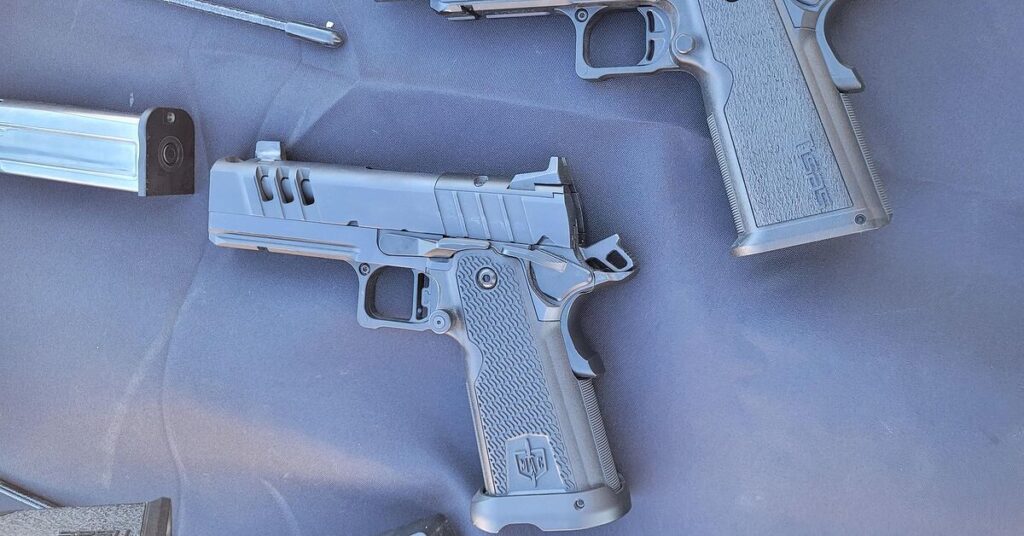
The Firearms Policy Coalition’s lawsuit against Los Angeles and Inglewood isn’t just another court filing—it’s a direct challenge to the idea that cities can quietly strangle the right to keep and bear arms through procedural choke points. Both municipalities have layered extra hurdles onto the already cumbersome California handgun roster and permitting process, effectively turning what should be a straightforward constitutional transaction into an obstacle course designed to discourage ownership. By targeting these local restrictions, FPC is forcing courts to confront whether cities can impose burdens the state itself has already pushed to the constitutional edge.
What makes this case especially sharp is its timing: while some states are tightening rules, the legal momentum after Bruen has shifted toward demanding actual historical analogues rather than policy wish lists. Los Angeles and Inglewood’s extra steps look less like public-safety measures and more like the kind of discretionary gatekeeping the Supreme Court signaled it would no longer tolerate. If FPC prevails, the precedent could ripple beyond California, giving other cities pause before they try to out-regulate their own state legislatures.
For the 2A community, the takeaway is that persistence in litigation still works even in hostile territory. Each suit that survives initial motions chips away at the assumption that urban gun control is untouchable, and it keeps pressure on officials who count on procedural fatigue to do what outright bans cannot. The fight isn’t just about one purchase in Inglewood; it’s about whether the Second Amendment can be reduced to a paperwork endurance test.


