

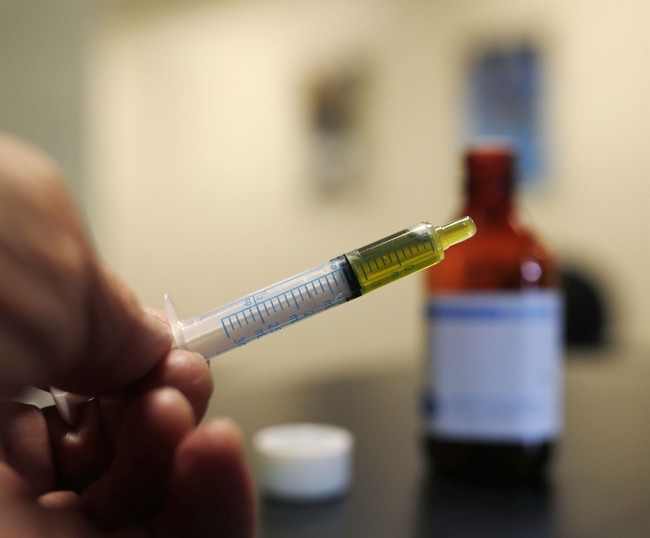
Ozempic and its GLP-1 cousins are suddenly being floated as the next great crime suppressant, with early studies suggesting that the same appetite-dampening chemistry that trims waistlines may also blunt the impulsive aggression that fuels violent offenses. The theory is simple enough: if these drugs can quiet the brain’s reward circuitry enough to make a second slice of pizza unappealing, maybe they can also dial down the hair-trigger responses that turn arguments into assaults. For the gun-owning public, the headline is less about pharmacology than about narrative control—any data set that links biology to behavior will be weaponized by the same activists who insist “gun violence” is a hardware problem rather than a software one.
The deeper implication is that once impulse control is medicalized, the policy reflex will be to expand access to the medication rather than to harden schools, prosecute predators, or recognize that lawfully armed citizens already interrupt crimes thousands of times each year. Expect the next wave of studies to be funded by the same philanthropic networks that bankroll gun-control litigation; their goal won’t be better diabetics but a fresh statistical cudgel to argue that “under-treated mental health” justifies expanded red-flag laws or insurance mandates tying gun ownership to pharmaceutical compliance. The 2A response should be to treat these findings as descriptive, not prescriptive: improved self-regulation is always welcome, but it is no substitute for the individual right to effective self-defense when self-regulation fails.
In short, the Ozempic-crime story is less a breakthrough in criminology than another attempt to medicalize social problems so that hardware restrictions look like prudent public-health measures. Gun owners should welcome any genuine advance in voluntary self-mastery while remaining alert to the bait-and-switch that converts private prescription decisions into public gatekeeping of constitutional rights.


