

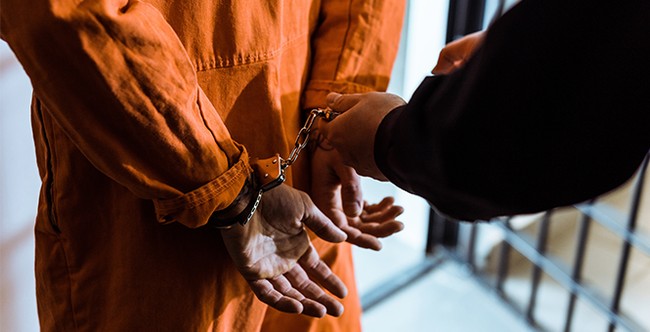
A Florida father’s decision to brandish a firearm at a school-bus driver has reignited the familiar debate over when—and whether—armed citizens should ever escalate a traffic dispute into a show of force. The incident reportedly began with a minor fender-bender that quickly spiraled into shouted threats; instead of de-escalating or simply exchanging information, the driver allegedly drew and displayed his handgun, prompting the bus driver to call 911. Body-cam footage and witness statements suggest the father never fired or pointed the weapon directly at anyone, yet Florida’s “display” statute still treats an unnecessary brandishing as a criminal act, landing him in cuffs and facing misdemeanor charges.
For the 2A community the takeaway is blunt: carrying a gun does not grant tactical immunity from basic road-rage discipline. Florida’s permitting process stresses that lawful self-defense hinges on an objectively reasonable fear of imminent death or great bodily harm; a traffic argument rarely meets that bar. When permit holders treat the firearm as an argument-settler rather than a last-resort equalizer, they hand anti-carry legislators the exact anecdotes they need to tighten “brandishing” language or impose new training mandates.
The larger implication is cultural. High-profile missteps like this one erode hard-won gains in constitutional-carry states by feeding the narrative that everyday carriers are “cowboys.” Responsible gun owners can push back by insisting that training curricula emphasize verbal de-escalation and situational avoidance as rigorously as marksmanship. In short, the safest carry is the one that never leaves the holster because cooler heads—and better driving—prevailed.


