

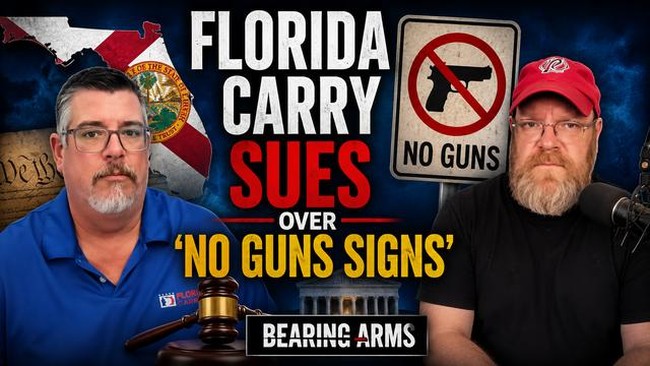
Florida Carry’s latest legal offensive against St. Augustine’s “no-guns” signage is more than a local skirmish—it’s a calculated test of how far municipalities can stretch the “sensitive places” doctrine without running afoul of the post-Bruen landscape. By targeting both the city’s blanket prohibition and the private-property overlay that effectively disarms visitors on public sidewalks, the group is forcing courts to confront whether a painted placard can nullify a constitutional right the same way a statute can. If the Eleventh Circuit agrees that signage alone lacks the force of law, the precedent could sweep across Florida’s tourist corridors and beyond, turning every “gun-free zone” sign from a polite request into a legally toothless suggestion.
The timing is equally strategic. With the Supreme Court’s Rahimi decision still reverberating and lower courts struggling to define “sensitive places,” Florida Carry is positioning itself as the tip of the spear for challenges that treat signage as prior restraint rather than mere notice. A win wouldn’t just restore carry rights in St. Augustine’s historic district; it would hand the broader 2A community a reusable template for dismantling the quiet expansion of discretionary gun-free zones that cities have quietly erected since 2022. In short, this isn’t about one beach town’s ordinances—it’s about whether the Second Amendment can be regulated by font size and laminate.


