

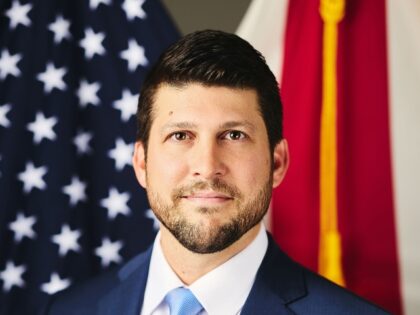
Florida Attorney General James Uthmeier’s decision to settle the case and secure a judicial declaration that the state’s three-day waiting period is unconstitutional marks a significant victory for Second Amendment advocates who have long argued that such delays serve no public-safety purpose and instead function as an unconstitutional prior restraint on the right to keep and bear arms. By moving to end the policy through litigation rather than legislation, Uthmeier is effectively acknowledging what courts in other states have increasingly recognized: that the right to acquire a firearm is inseparable from the right to possess one, and that government-imposed cooling-off periods lack historical analogues under the Bruen framework. The move also signals that Florida’s executive branch is willing to use its litigation authority to dismantle legacy restrictions that predate the Supreme Court’s renewed emphasis on text, history, and tradition.
For the broader 2A community, this development carries both immediate and strategic implications. A favorable declaration would not only restore Floridians’ ability to complete lawful purchases without artificial delay, but it could also provide persuasive precedent for challenges in states that still cling to waiting periods, reinforcing the argument that such laws are modern innovations unsupported by the nation’s founding-era regulatory tradition. At the same time, the case underscores a growing trend of attorneys general leveraging their offices to affirm constitutional rights rather than expand regulatory regimes—an approach that shifts the Overton window in favor of individual liberty and places gun-control advocates on the defensive in courtrooms rather than legislative chambers. If upheld, the outcome will serve as a reminder that constitutional rights are not subject to bureaucratic waiting rooms, and that persistent legal pressure can dismantle even long-standing infringements.


