

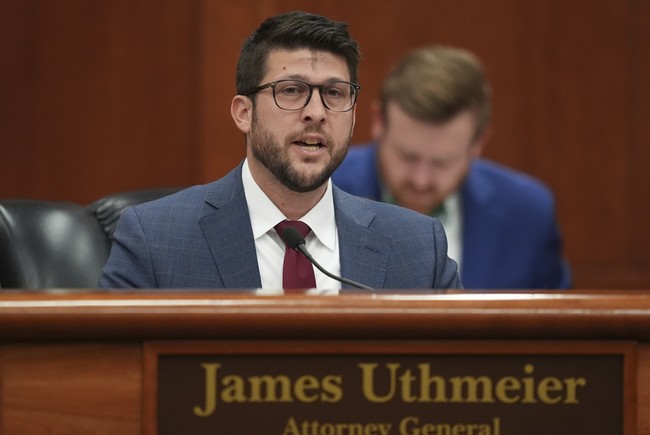
Florida’s Attorney General just handed the Second Amendment community another decisive courtroom victory, and the ripple effects are impossible to ignore. By successfully defending the challenge that struck down the state’s concealed-carry prohibition for law-abiding adults under 21, the AG’s office didn’t merely notch a statutory win—it reinforced the principle that age alone cannot serve as a categorical bar to the fundamental right to bear arms. The ruling aligns Florida with the post-Bruen landscape, where historical analogues, not modern policy preferences, must justify restrictions, and it sends an unmistakable message to other states still clinging to 21-and-up carry limits: those laws are on increasingly shaky constitutional ground.
What makes this outcome especially potent is the broader context of generational gatekeeping that has long masqueraded as “public safety.” For years, anti-carry advocates have leaned on the same tired narrative that younger adults are too impulsive or inexperienced to be trusted with a firearm outside the home, conveniently ignoring that 18-year-olds can already vote, enlist, sign contracts, and—crucially—openly carry in constitutional-carry states without the sky falling. The Florida decision punctures that myth by recognizing that the right to keep and bear arms is not a graduated privilege doled out at arbitrary birthdays; it is an individual liberty that government must justify with Founding-era evidence, not actuarial tables. That shift in framing matters because it reframes the debate from “should young people carry?” to “what actual historical tradition supports disarming them?”
For the 2A community, the practical takeaway is momentum. This ruling adds another brick to the wall of post-Bruen precedent that will make it harder for legislatures to revive or defend age-based carry bans elsewhere. It also hands grassroots activists and litigators a fresh, citable authority they can wave at statehouses considering similar restrictions. More importantly, it reminds younger gun owners that their rights are not contingent on reaching some bureaucratic finish line—they are exercising a constitutional inheritance the moment they turn 18. In an era when incremental erosions often go unchallenged, Florida’s win proves that consistent, aggressive defense of the plain text can still produce tangible, culture-shifting results.


