

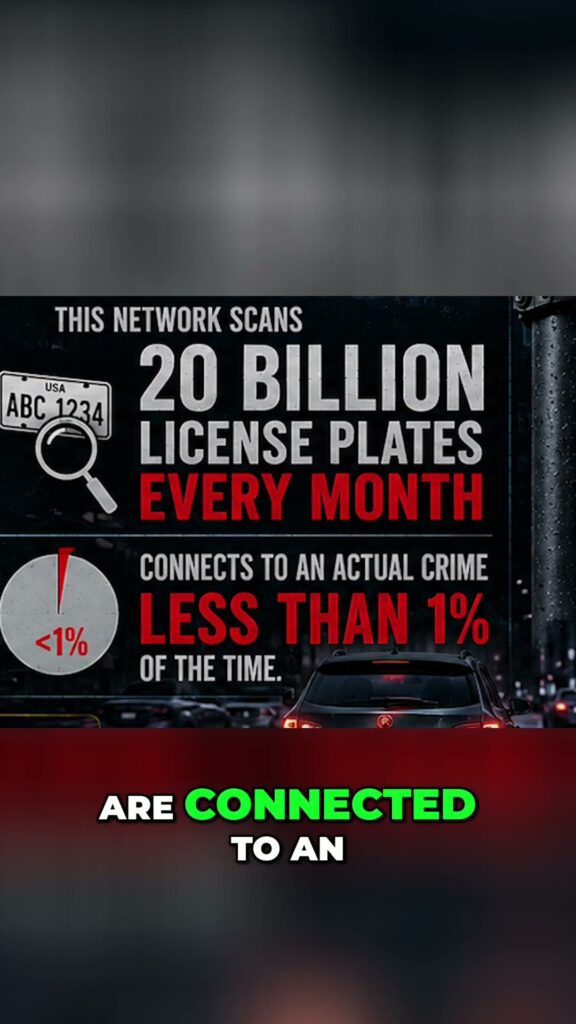
Flock’s own data quietly admits that its license-plate cameras deliver a measly 1 % “hit rate,” yet the company still markets the system as a must-have for every small-town police department. That single statistic should be the headline, because it exposes the real business model: sell the hardware first, worry about results later. Departments that buy in are essentially paying for an expensive fishing net that lands one fish in a hundred casts, while the rest of the catch—innocent drivers—gets swept into a permanent database that Flock refuses to delete on any fixed schedule.
For the 2A community the stakes are straightforward. A surveillance dragnet that rarely solves crime still records the make, model, and travel patterns of every lawfully armed citizen who drives past a camera. Those logs can be queried without a warrant in many jurisdictions, turning routine trips to the range or a gun show into data points that could later be mined for “suspicious” frequency of visits. The low efficacy rate proves the system is less about public safety and more about normalizing the idea that gun owners, like everyone else, must live under an always-on digital tail.
The 1 % figure also undercuts the policy argument that “if you’re not doing anything wrong, you have nothing to hide.” When the tool is this ineffective, the burden of proof shifts: show us the bodies in the morgue that these cameras routinely save, or admit the program is an expensive data grab dressed up as crime-fighting. Until that evidence appears, the only rational move for pro-2A citizens is to keep pressing for local bans, strict warrant requirements, and automatic deletion schedules—because a system that works one time out of a hundred is still wrong 99 times out of a hundred.


