

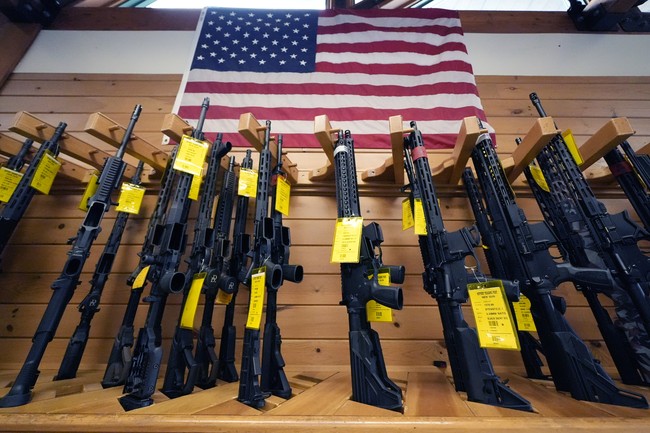
The First Circuit’s decision to uphold Massachusetts’ so-called “assault weapon” ban is another reminder that the post-Bruen landscape is still being shaped by judges who treat the Second Amendment like a conditional privilege rather than a fundamental right. By leaning on the “sensitive places” and “historical tradition” tests in ways the Supreme Court never endorsed, the panel effectively green-lit a feature-based prohibition that would have been unthinkable for any other enumerated right. The ruling’s reliance on colonial-era gunpowder storage laws and 20th-century machine-gun restrictions as “analogues” shows just how creative some circuits are willing to get when the goal is preserving a policy they like.
For the 2A community this isn’t merely a Massachusetts problem; it’s a signal that the circuit split on assault-weapon bans is widening and that the Supreme Court may soon have to decide whether the right to keep and bear arms includes the right to keep and bear the most common arms actually used for lawful purposes today. Every new panel decision that treats semi-automatic rifles as outside the scope of protection adds another brick to the wall lower courts are building around Heller and Bruen. The practical takeaway is that Massachusetts gun owners—and anyone traveling through the state—now face felony exposure for possessing firearms that remain perfectly legal in 40-plus other states, a patchwork that makes a mockery of a nationwide constitutional guarantee.
Strategically, the decision underscores the need for both continued litigation and legislative pushback at the state level. Groups already preparing cert petitions will likely cite this ruling as Exhibit A in their argument that lower courts are systematically nullifying Bruen’s text-and-history test. At the same time, the opinion hands pro-2A lawmakers fresh talking points about why preemption statutes and constitutional carry expansions matter: if one circuit can redefine an entire class of firearms out of existence, the only durable protection is removing the issue from the courts altogether by codifying shall-issue permitting and protecting common firearms at the state constitutional level.


