

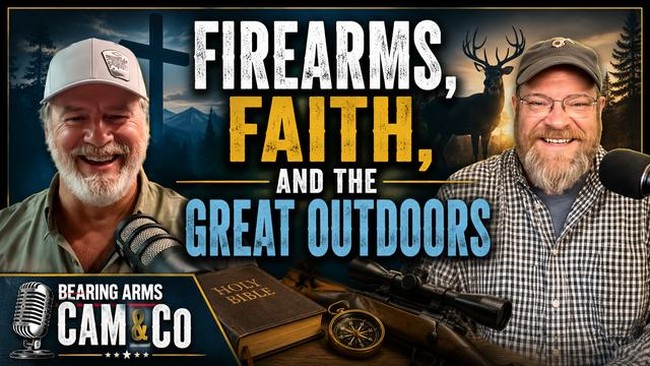
Pete Rogers’ appearance on Cam’s show is more than a friendly chat between outdoorsmen—it’s a snapshot of how the Second Amendment is being woven into the everyday lives of millions of Americans who never set foot inside a Beltway hearing room. By framing the right to keep and bear arms as an extension of stewardship—protecting family, harvesting food, and passing skills to the next generation—Rogers sidesteps the culture-war shouting match and lands squarely in the lived experience of church pews and tree stands. That approach matters because it quietly expands the coalition: a hunter who sees his rifle as both tool and birthright is far less likely to be swayed by incremental restrictions dressed up as “common-sense safety.”
The ecumenical tone Rogers champions is equally strategic. Hunting culture has always been bigger than any single denomination, yet the language of conservation and self-reliance often gets siloed inside regional or religious sub-groups. By inviting shooters from every tradition to share venison chili and range time, the Christian Outdoors podcast is modeling the kind of broad-tent fellowship that turns sporadic range buddies into a durable political constituency. When the next magazine ban or “assault weapon” bill surfaces, these cross-denominational friendships become the phone trees that fill hearing rooms and state capitols—something pollsters and lobbyists on both sides quietly acknowledge.
Finally, the resonance Rogers is seeing points to a deeper shift inside the 2A community itself: a move away from purely transactional arguments about cartridge ballistics or feature bans and toward a narrative about human flourishing. If the right to bear arms is increasingly understood as part of a coherent worldview that values family, land, and generational responsibility, then efforts to sever that link—through red-flag laws aimed at isolated veterans or safety courses that pathologize ownership—start to look like attacks on an entire way of life rather than tweaks to a statute. That framing is harder to dismiss, and it’s exactly why a podcast blending prayer and pattern-welded steel is suddenly required listening for anyone who cares about the future of the Second Amendment.


