

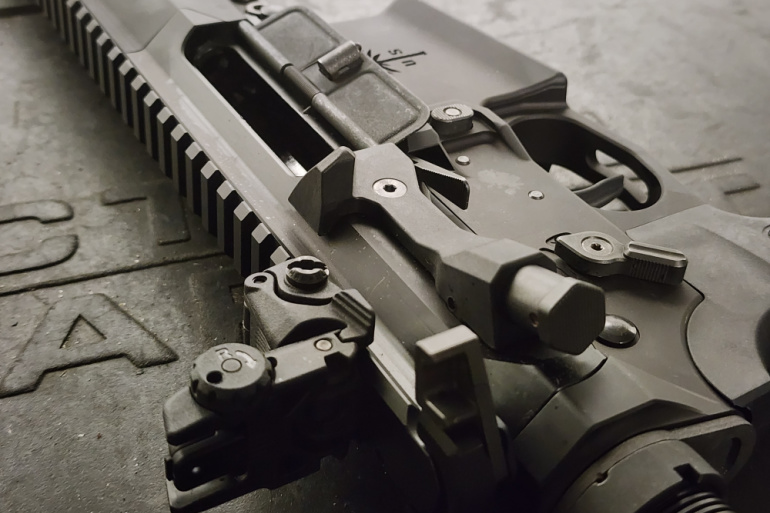
The Supreme Court’s decision to hear these two assault-weapons cases is a long-overdue recognition that the Second Amendment does not contain a carve-out for the most popular rifles in America. By granting cert, the justices are signaling they will finally confront the core question: can states and localities simply re-label the most commonly owned semi-automatic firearms as “assault weapons” and ban them outright? The source text’s reminder that these rifles are “among the most commonly owned firearms in the country” is not just a statistic—it is the constitutional baseline. Under Bruen’s history-and-tradition test, a modern ban cannot survive if the arms in question are in common use for lawful purposes, and the data shows millions of AR-platform rifles in civilian hands for sport, collecting, and self-defense.
For the 2A community this development is both validation and a call to arms. Lower courts have spent years upholding bans by inventing interest-balancing tests that Bruen explicitly rejected, allowing jurisdictions like Cook County and Connecticut to treat an entire class of firearms as presumptively outside the Constitution’s protection. The upcoming arguments will test whether the Court is willing to enforce its own precedent or will permit a patchwork of state-level prohibitions that effectively nullify the right to keep and bear arms for millions of Americans. Every law-abiding owner who has watched their property rights and defensive options shrink under these statutes now has a direct stake in the outcome.
The implications stretch far beyond the specific statutes at issue. A ruling that these rifles are protected “Arms” would not only strike down the challenged bans but would also cast doubt on magazine restrictions, feature-based prohibitions, and the broader strategy of regulating firearms by cosmetic or functional characteristics rather than by actual criminal misuse. Conversely, an adverse decision could green-light a new wave of legislation that chips away at the right through ever-expanding definitions of what constitutes an “assault weapon.” Either way, the Court’s eventual opinion will shape the practical meaning of the Second Amendment for a generation, and the 2A community must be prepared to litigate, legislate, and organize in response.


