

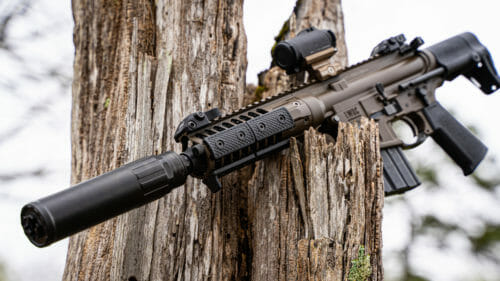
Four FFLs just proved that the ATF’s own paperwork can be turned into a shield instead of a sword. After the federal injunction froze the NFA’s suppressor registration process, these dealers simply treated the devices like ordinary Title I firearms—running a standard 4473, performing the NICS check, and handing them over. When inspectors later walked through the door, they found nothing out of order because the dealers had followed the only lawful instruction still on the books: obey the injunction. The result? Clean bills of health and zero violations, a quiet but unmistakable signal that the regulatory machine can be forced to eat its own contradictions.
The deeper story is how quickly the injunction has begun to re-shape dealer behavior nationwide. Rather than waiting for the ATF to issue new guidance that may never come, these FFLs read the court order literally and acted on it. Their success under inspection removes the usual excuse—“we can’t risk our license”—and hands other dealers a working playbook. It also undercuts the agency’s favorite talking point that any deviation from NFA protocol is inherently unlawful; if four separate inspection teams signed off, the conduct is demonstrably compliant with current federal law.
For the broader Second Amendment community the lesson is strategic rather than symbolic. Litigation can create operational space, but that space only expands when license holders step into it. Each clean inspection becomes precedent on the ground, making it harder for the ATF to threaten “license-revocation” scare tactics the next time a judge limits its power. In short, the four FFLs didn’t just transfer hardware—they transferred momentum, showing that paperwork, properly leveraged, can be just as decisive as any courtroom victory.


