

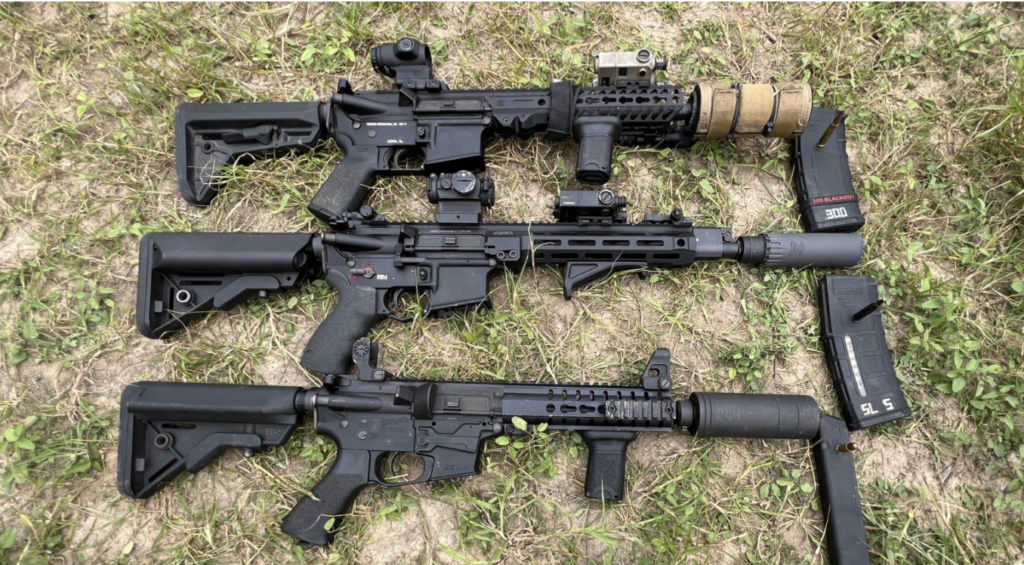
A federal judge just handed the National Firearms Act its most direct constitutional rebuke in decades, ruling that the registration mandates for suppressors and short-barreled rifles cannot survive once Congress has severed the tax that originally justified them. The decision zeroes in on the uncomfortable truth that the NFA’s paperwork regime was never sold as a public-safety measure; it was sold as a tax-collection device. With the tax gone, the registration requirement is left standing on nothing more than bureaucratic inertia—an argument the court found constitutionally thin. For the millions of Americans who already waited months, paid hundreds of dollars, and surrendered fingerprints just to exercise a right the Second Amendment presumptively protects, the ruling feels like long-overdue vindication rather than judicial novelty.
The practical ripple effects could be enormous. If the decision survives appeal, the ATF’s entire suppressor and SBR registry becomes optional paperwork rather than a gatekeeping requirement, effectively returning these items to the same constitutional footing as ordinary firearms. That shift would instantly shrink the multi-month wait times that have become a de-facto tax on the exercise of the right, and it would gut the black-market premium that currently attaches to unregistered items. More importantly, the logic travels: any NFA category whose tax has been zeroed out—destructive devices, for example—now sits on similarly shaky ground. The opinion also hands future litigants a ready-made template for attacking the Hughes Amendment’s machine-gun ban and other registration schemes whose original taxing rationale has evaporated.
For the broader Second Amendment community, the ruling is less a final victory than a strategic beachhead. It demonstrates that courts are increasingly willing to treat the NFA not as sacrosanct precedent but as a regulatory regime whose constitutionality must be continually re-proven against contemporary doctrine. That opens the door to challenges that once seemed quixotic—ending the pistol-brace rule, rolling back magazine-capacity restrictions, or even confronting the Hughes Amendment itself. The opinion also underscores a tactical lesson: when Congress quietly neuters the tax that once propped up a regulatory scheme, it simultaneously weakens the government’s best argument for keeping that scheme in place. In short, the decision is a reminder that rights recovered incrementally are often recovered first in the tax code, then in the courtroom.


