

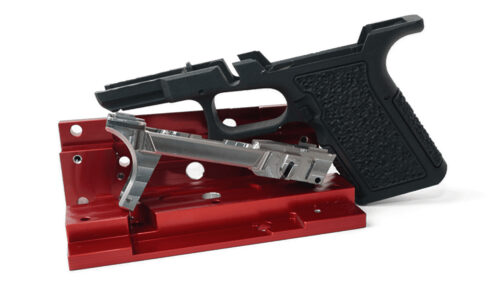
A federal judge just handed the ATF a stinging rebuke in the Defense Distributed case, ruling that the agency’s frame-and-receiver rule is both unconstitutionally vague and incompatible with the Second Amendment—at least as applied to Defense Distributed, the Second Amendment Foundation, and their covered members. The decision doesn’t sweep nationwide, but it lands like a precision strike: the court essentially told regulators that they can’t rewrite statutory definitions on the fly and then punish people for failing to read their minds. For an agency that has spent years stretching the Gun Control Act’s language to cover unfinished receivers, the ruling is a reminder that courts still exist to police administrative overreach.
What makes the opinion especially sharp is how it zeroes in on vagueness. The ATF tried to draw a bright line between “readily convertible” frames and everything else, yet the rule’s own text left manufacturers, distributors, and hobbyists guessing where that line actually sat. When the government’s own enforcement policy hinges on subjective judgments about machining tolerances or “intent,” due process takes a hit—and so does the right to keep and bear arms. The court recognized that this uncertainty chills constitutionally protected conduct, from teaching others how to finish a receiver to simply possessing one that hasn’t yet crossed an arbitrary regulatory threshold.
For the broader 2A community the message is clear: litigation remains a potent check on agency power even when legislation stalls. While the ruling is geographically limited, it supplies persuasive precedent that other courts can follow, and it forces the ATF to defend its definitions under heightened scrutiny rather than bureaucratic fiat. Expect renewed challenges to the pistol-brace rule, the “ghost gun” guidance, and any future attempt to redefine what counts as a firearm. In short, the opinion doesn’t end the fight, but it resets the battlefield with the Second Amendment squarely back in the foreground.


