

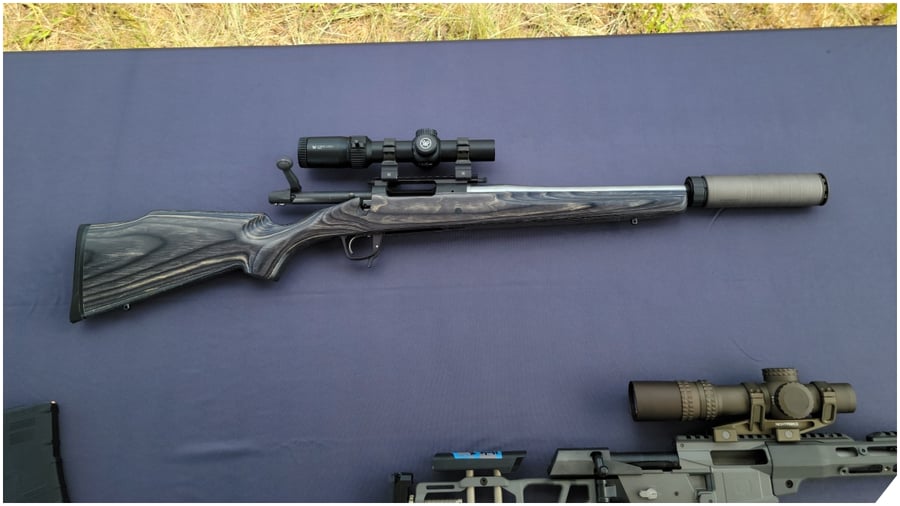
The Fifth Circuit’s unanimous ruling that suppressors qualify as “arms” under the Second Amendment isn’t just a win for gun owners—it’s a direct rebuke to the notion that the government can regulate accessories into irrelevance. By recognizing that a device which merely reduces sound doesn’t transform a protected arm into something outside constitutional bounds, the court rejected the tired “it’s just an accessory” argument that anti-gun jurisdictions have leaned on for years. This stands in sharp contrast to the Ninth Circuit’s earlier decision, creating the kind of circuit split that often forces the Supreme Court’s hand and could finally settle whether the right to keep and bear arms includes the practical tools that make shooting safer and more neighbor-friendly.
For the 2A community, the stakes go beyond decibel levels. Suppressors have long been treated as quasi-prohibited items under the NFA’s byzantine tax-and-registration regime, despite data showing they’re used in a vanishingly small percentage of crimes and demonstrably protect hearing. If the Supreme Court takes the case and affirms the Fifth Circuit, it would chip away at the regulatory architecture that has treated sound moderation as inherently suspect for nearly a century. More importantly, it would reinforce that the Second Amendment isn’t limited to the exact implements the Founders carried; it protects the modern means by which citizens exercise their rights effectively and responsibly.
The real implication is strategic: this decision hands pro-Second Amendment litigators another precedent to wield in challenges to other accessory restrictions, from bracing devices to magazine limits. It also pressures lawmakers in restrictive states to confront the fact that their policies are increasingly out of step with both constitutional text and empirical reality. Whether the High Court grants cert or lets the split stand, the Fifth Circuit has already shifted the Overton window—making clear that treating suppressors as constitutional arms is no longer a fringe position but a holding from a federal appellate court.


