

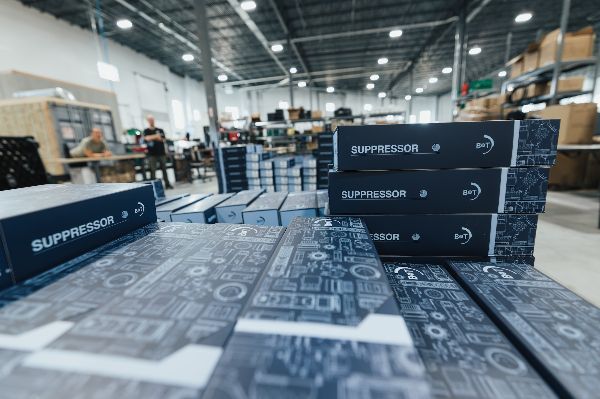
The federal court’s injunction in Silencer Shop Foundation v. ATF is more than a paperwork reprieve—it’s a direct rebuke of the ATF’s habit of stretching the National Firearms Act beyond its statutory text. By halting enforcement of Form 4 registration against B&T USA customers, the court has effectively told regulators that they cannot invent new obligations simply because a product is politically unpopular. The decision keeps intact the background-check and dealer-transfer framework, so public-safety theater remains, but the symbolic “tax stamp” step has been stripped away for these purchasers. That distinction matters: it shows courts are willing to police agency overreach even when they are unwilling to dismantle the underlying statute.
For the broader Second Amendment community, the ruling is both a tactical win and a strategic signal. Suppressor owners have long argued that the devices are safety equipment, not force-multipliers, and the injunction lends judicial weight to that framing by treating the registration mandate as separable from the transfer itself. More importantly, the decision creates a precedent that other manufacturers and retailers can cite when challenging ATF interpretations that lack clear statutory grounding. If the logic holds on appeal, expect parallel suits targeting pistol braces, short-barreled rifles, and even the agency’s bump-stock reversal—each chipping away at the regulatory superstructure the NFA has accumulated since 1934.
The practical takeaway for enthusiasts is immediate: B&T USA customers who have been waiting on Form 4 approvals can now take delivery once state and FFL requirements are satisfied. Yet the larger message is that the administrative state’s reflex to regulate first and justify later is no longer cost-free. Every successful injunction shifts the burden back onto regulators to prove their rules are both authorized and necessary, a standard the ATF has grown unaccustomed to meeting.


