

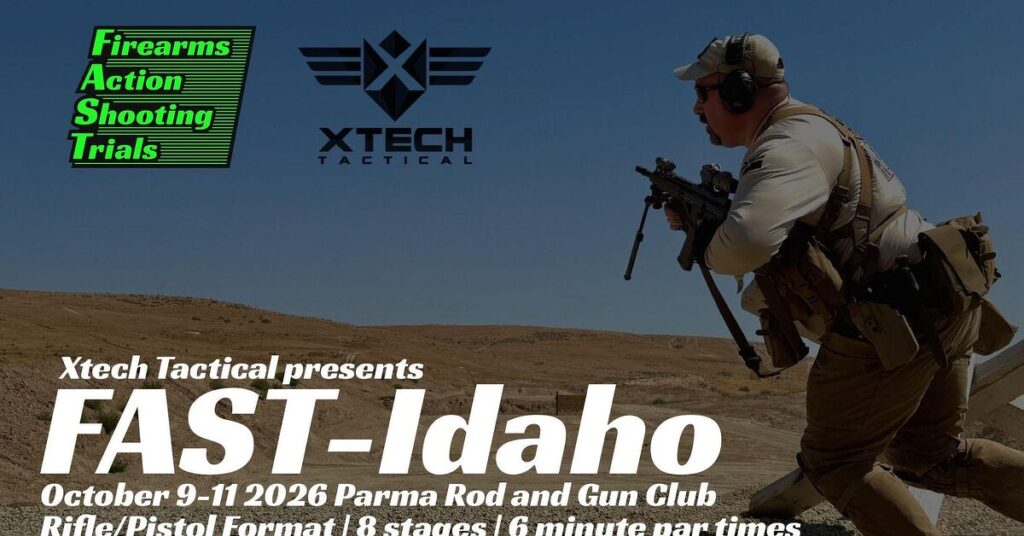
The launch of FAST’s Auto-Rifle division is more than a new match category—it’s a deliberate signal that the 2A community is done waiting for legacy organizations to catch up with the hardware people already own. By carving out a lane for registered machine guns and FRT-equipped rifles, FAST is acknowledging that forced-reset technology has moved from legal curiosity to mainstream competition tool, and that shooters want a place to run it hard without the usual “no fun allowed” restrictions. The requirement for a heavy barrel or belt-fed upper and a permanently mounted bipod isn’t just safety theater; it’s a practical nod to the fact that these guns are now expected to eat serious round counts, and the division is built around that reality rather than trying to shoehorn full-auto into existing semi-only formats.
What makes this move especially interesting is how it reframes the post-2025 legal landscape. Once the courts green-lit FRTs, the industry didn’t just celebrate—it started designing around sustained fire as a feature, not a gimmick. FAST’s ruleset essentially codifies that shift, giving both NFA collectors and FRT owners a shared competitive space that treats rate of fire as a skill rather than a liability. It also quietly pressures other 2-gun and 3-gun circuits: if FAST can run safe, popular stages with belt-feds and forced-reset rifles, the old “we can’t insure that” excuse starts to look more like inertia than prudence.
For the broader community, the division is a reminder that rights expand fastest when shooters actually use them in public, measurable ways. Every stage that rewards disciplined bursts, every bipod-locked gun that runs cool under rapid fire, and every published hit factor that shows full-auto isn’t synonymous with unsafe is another data point against restrictions. FAST isn’t just adding a division; it’s stress-testing the legal and cultural boundaries of modern riflecraft, and the results will likely influence everything from insurance underwriting to future ATF guidance.


