

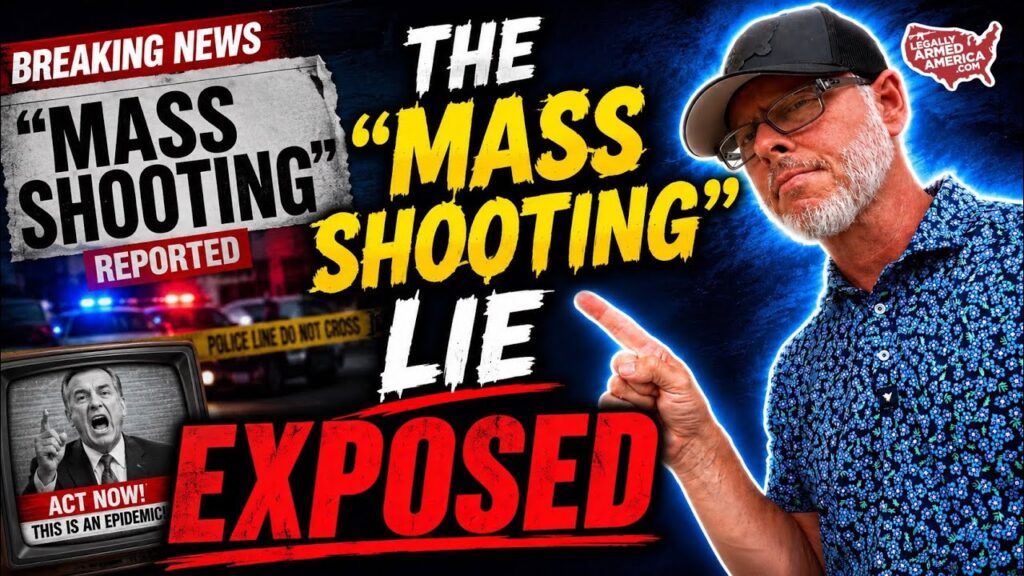
The Gun Violence Archive’s headline-grabbing tally of 258 mass shootings this year collapses the moment you open the spreadsheet and read the footnotes. Most of those incidents are single-victim gang shootings, domestic disputes, or stray-bullet accidents that never meet the FBI’s four-victim threshold for “mass public shootings.” By quietly redefining the term, the GVA turns every urban homicide cluster into a national emergency, then hands the inflated number to cable anchors who repeat it as gospel. The sleight-of-hand works because the average viewer never clicks through to see that the vast majority of these “mass shootings” involve targeted criminal violence, not the indiscriminate, terroristic attacks the phrase was coined to describe.
For the 2A community the takeaway is straightforward: data hygiene is now a civil-rights issue. When activists launder ordinary street crime into “mass shootings,” they manufacture a statistical crisis that lawmakers cite to justify magazine bans, “assault weapon” prohibitions, and red-flag laws aimed squarely at lawful owners. The remedy is relentless transparency—cross-checking every claim against the FBI’s Supplementary Homicide Reports, the National Violent Death Reporting System, and local police logs—so the public sees the difference between the rare, headline-making atrocity and the chronic urban violence that gun-control policies have failed to curb for decades. Numbers matter; so does the story those numbers are allowed to tell.


