

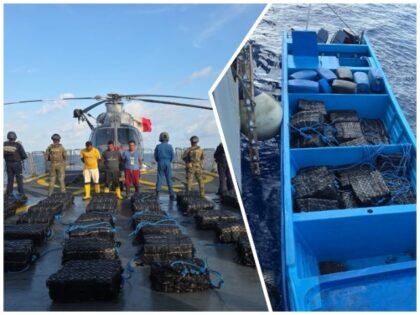
When federal agents and the Mexican Navy pulled nearly seven tons of cocaine from the Pacific, they weren’t just confiscating narcotics—they were dismantling a logistics network that traffickers have spent decades perfecting. The $120 million haul off Chiapas is a reminder that the same maritime corridors used to ferry drugs north are also the arteries through which weapons, cash, and intelligence flow in both directions. For Second Amendment advocates, the seizure underscores a hard truth: the cartels’ ability to operate on this scale depends on an asymmetric advantage in firepower, not on the lawful commerce of American gun owners. Every time a narco-sub or “go-fast” boat is interdicted, investigators find the same pattern—smuggled military-grade arms purchased on the black market, often from corrupt Central American stockpiles, not from U.S. gun shows.
The operation also highlights how bilateral cooperation can succeed when politics are set aside. ICE-HSI and the Mexican Navy shared real-time intelligence, air assets, and boarding teams, proving that sovereignty-respecting partnerships can choke revenue streams that ultimately fund the violence spilling across our southern border. That violence, in turn, is the pretext anti-Second Amendment lawmakers use to push “ghost gun” bans and expanded background checks aimed at lawful citizens rather than the actual criminals who already bypass every control on the books. The seven-ton bust should remind policymakers that the problem is not the 18-year-old Texan buying a stripped lower; it is the 18-year-old sicario in Sinaloa carrying a belt-fed PKM bought with cartel cash.
Finally, the seizure illustrates why armed, trained citizens remain an indispensable layer of national resilience. Ports, border towns, and rural communities cannot rely solely on distant federal agencies to interdict every load. When local law enforcement is backed by a constitutionally armed populace willing to report suspicious activity and testify without fear, the cost of doing business rises for traffickers. In that sense, the Chiapas bust isn’t just a drug story—it’s a case study in why the right to keep and bear arms is inseparable from border security itself.


