

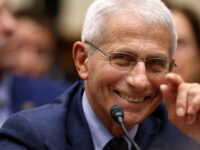
Robert Kennedy Jr.’s blistering indictment of Dr. Anthony Fauci lands like a high-velocity round through the bureaucratic armor that has shielded public-health officials for decades. By accusing the former NIAID director of “crimes,” “vanity,” and “giddiness” over the pandemic response, Kennedy is doing more than settling scores—he’s spotlighting how unelected agencies can seize extraordinary power under the banner of emergency. For Second Amendment advocates, the parallel is unmistakable: the same institutional reflexes that turned “15 days to slow the spread” into years of mandates can just as easily be aimed at the right to keep and bear arms whenever a crisis—real or manufactured—offers political cover.
What makes Kennedy’s broadside especially resonant in pro-2A circles is his willingness to name the machinery of administrative overreach rather than merely quibble with its outcomes. When an agency can redefine “assault weapon,” rewrite pistol-brace rules via guidance letters, or pressure financial institutions to blacklist lawful firearm commerce, the problem isn’t just policy—it’s the concentration of unchecked authority. Kennedy’s critique reminds gun owners that the same “experts” who locked down churches and schools also sidelined dissenting scientists and vilified early-treatment protocols; trusting that apparatus with the constitutional circuitry of the Bill of Rights is a gamble history keeps warning against.
The deeper implication is strategic. If Kennedy’s rhetoric galvanizes even a slice of the populist left to distrust centralized edicts, it widens the coalition willing to challenge ATF rule-making, resist red-flag overreach, and demand congressional—not administrative—solutions. In an era when every public-health scare or spike in urban crime is invoked to justify new restrictions, the surest safeguard isn’t swapping one set of regulators for another; it’s restoring the constitutional presumption that fundamental rights aren’t subject to the latest bureaucratic mood swing.


