

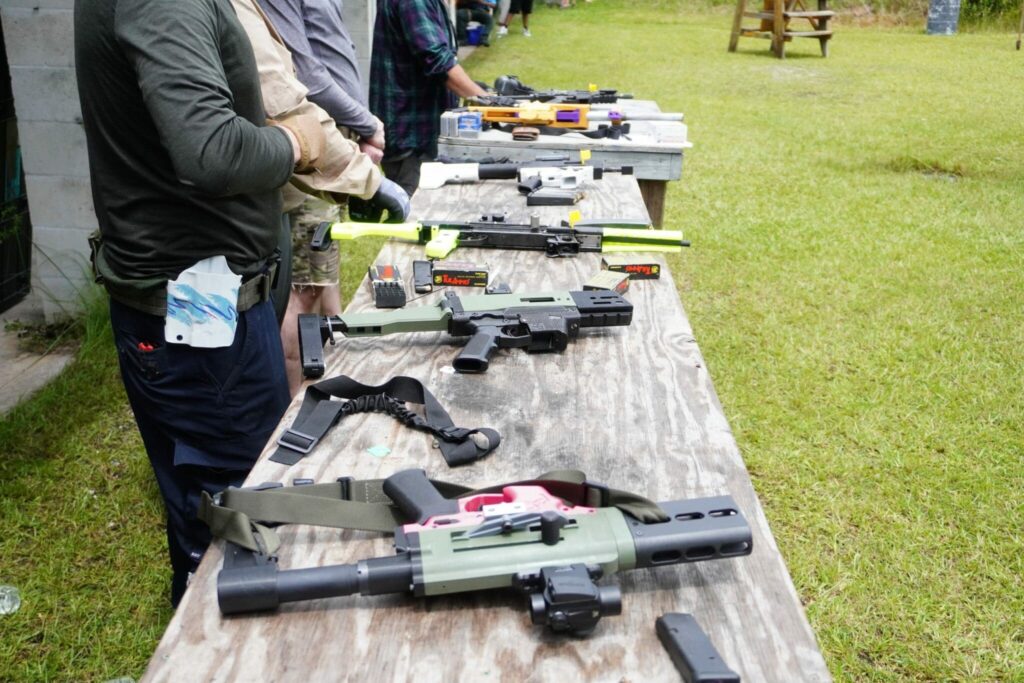
A startup in India claims it has engineered a software patch that can detect and block 3D-printer files containing gun components, a move that has caught the eye of American lawmakers scrambling for technical fixes to what they see as an enforcement gap. The company’s pitch is simple: embed a filter in the slicer software so that any STL or G-code file matching a prohibited geometry simply refuses to print. Pro-2A observers immediately recognize the familiar pattern—politicians chasing an upstream choke-point rather than addressing the reality that digital files are as easy to copy and modify as any other data. Once the algorithm is public, determined users will either fork the slicer, strip the filter, or route the print through an air-gapped machine that never sees the restricted code in the first place.
The deeper implication is that any “compliance layer” added to open-source firmware or slicers becomes an attractive nuisance for litigation and regulatory mission creep. If Congress or a state legislature blesses the Indian firm’s approach, the next logical step is pressure on U.S. manufacturers of printers, filament, and even CAD software to adopt similar blacklists. That shifts the compliance burden onto hobbyists and small businesses who must now prove their devices are not “willfully circumventing” the filter—an evidentiary standard that historically expands over time. Meanwhile, the underlying files continue to circulate on non-U.S. servers, mesh networks, and sneakernet drives, rendering the technical blockade symbolic at best.
For the 2A community the episode is a reminder that attempts to regulate the physical world through digital gatekeeping rarely survive first contact with motivated individuals and Moore’s Law. Rather than panic, the practical response is to keep investing in local, non-proprietary workflows—own your toolchain, maintain offline backups of critical files, and treat every new “compliance module” as a speed bump, not a roadblock. The right to keep and bear arms has weathered far clumsier attempts at prior restraint; this one is unlikely to prove any different.


