

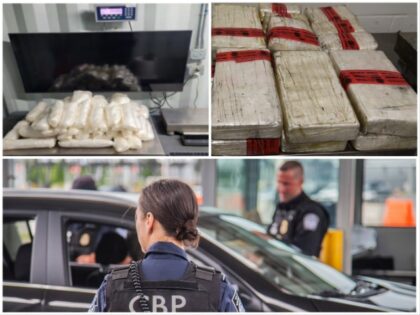
U.S. Customs and Border Protection just pulled more than $1.2 million in cocaine off two Texas bridges in a matter of days, and the timing tells you everything about why Mexican cartels are suddenly desperate to push product through legal ports instead of the wide-open desert. With the Trump-era enforcement surge making traditional smuggling routes far riskier, the syndicates are testing every seam they can find—exactly the kind of pressure that historically drives them to diversify into weapons trafficking as well. For the 2A community this isn’t just another drug bust; it’s a live demonstration that when the border tightens, the same networks that move coke also move the firearms that end up in cartel hands south of the Rio Grande, which is why any serious conversation about “gun trafficking” has to start with securing the actual border rather than further restricting law-abiding owners.
The seizures also underscore a deeper strategic reality: cartels adapt faster than bureaucracies, and every new layer of port inspection or technology they have to defeat raises the value of the contraband that still gets through. That economic pressure creates powerful incentives to corrupt or intimidate port personnel, to recruit U.S. citizens as straw transporters, and ultimately to arm their enforcers with whatever small arms they can source—legally purchased, stolen, or smuggled in the opposite direction. Pro-2A advocates have long argued that the real vector for cartel firepower isn’t American gun shows but the same porous southern border that just failed to stop a million-dollar coke shipment; these busts simply supply fresh evidence that enforcement, not additional domestic gun control, is the variable that actually moves the needle.
Finally, the episode highlights why the Second Amendment community should treat border security as a core civil-rights issue rather than a partisan afterthought. When cartels are flush with narco-cash and forced into riskier operations, they become more aggressive about acquiring modern sporting rifles, optics, and armor-piercing ammunition—precisely the tools that later appear in crimes on both sides of the border. Keeping those organizations cash-poor and logistically strained through sustained interdiction is therefore one of the most practical steps Congress and the states can take to reduce the downstream demand for the very firearms the left wants to ban. In short, the coke on those Texas bridges isn’t just a drug story; it’s a reminder that a secure border is the best gun-control policy Washington refuses to try.


