

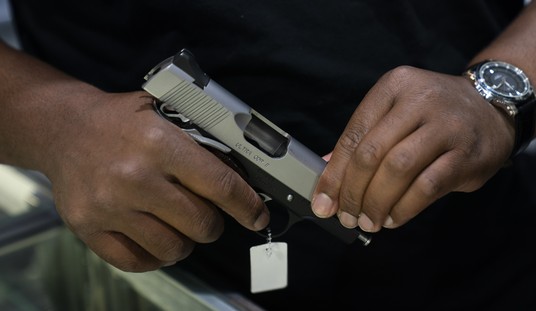
Even The Trace, the gun-control movement’s own research shop, is now conceding what pro-2A analysts have been documenting for years: the surge in lawful gun ownership that began in 2020 has coincided with a measurable drop in violent crime. Their own data review shows that states with the largest increases in new firearm purchasers—many of them first-time buyers—are also posting some of the steepest declines in homicide and aggravated assault. That admission is telling, because The Trace has historically framed every uptick in gun sales as a public-safety crisis; when the numbers refuse to cooperate with that narrative, the organization is forced to acknowledge the correlation between more guns and less crime.
The timing matters. The post-2020 buying wave was driven by millions of Americans who had never owned a firearm before, precisely the demographic gun-control advocates claimed would be most dangerous. Instead, those new owners appear to have contributed to the very deterrence effect criminologists like John Lott have long described. Meanwhile, cities that doubled down on restrictive policies—defelonizing gun possession, slashing police budgets, and demonizing lawful carry—continue to struggle with stubborn pockets of violence, underscoring that the problem has never been the presence of guns but the presence of criminals undeterred by swift consequences.
For the 2A community, this moment is both validation and a warning. Validation, because the data now undercuts the central claim that more guns automatically equal more crime. Warning, because The Trace’s reluctant nod will likely be followed by new attempts to redefine “gun violence” around suicides or accidents rather than criminal acts, shifting the goalposts once again. The lesson is clear: keep the focus on armed, law-abiding citizens as the solution, not the problem, and continue building the cultural and legal infrastructure that lets responsible Americans exercise their right to keep and bear arms without apology.


