

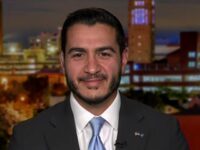
Michigan gubernatorial hopeful Abdul El-Sayed’s insistence that a national conversation about reparations “shouldn’t be a crazy thing” is the latest reminder that progressive politicians are eager to redistribute wealth they never earned to constituencies they hope will keep them in power. While the candidate frames the idea as simple justice, the mechanics are anything but simple: any large-scale payout would require either crushing new taxes or printing money that further erodes purchasing power—both of which hit working families, including law-abiding gun owners who already shoulder the costs of rising ammunition and component prices. The 2A community has watched this movie before; every time government decides to “level the playing field” with other people’s money, the bill eventually arrives at the gun counter in the form of higher excise taxes, licensing fees, or regulatory overhead designed to make firearm ownership more expensive and therefore less accessible.
Beyond the economic threat, the rhetoric itself is a warning shot. When politicians normalize the notion that rights—or the resources needed to exercise them—are subject to collective redistribution, they are also normalizing the idea that constitutional protections are privileges doled out by the state rather than safeguards against it. History shows that once a society accepts the premise that some citizens owe others a perpetual debt, governments rarely stop at cash transfers; they move on to restricting the means by which disfavored groups might defend their remaining property and liberty. For gun owners, that trajectory is especially dangerous because the Second Amendment is the only right that can be exercised without first asking permission or writing a check to the very bureaucracy that seeks to curtail it.
The practical takeaway is straightforward: every time a candidate like El-Sayed elevates reparations from academic talking point to policy priority, the 2A community should treat it as an implicit tax on freedom and respond accordingly—by supporting candidates who defend both economic liberty and the right to keep and bear arms, and by recognizing that the fight over who pays for what is ultimately a fight over who gets to remain armed when the bill comes due.


