

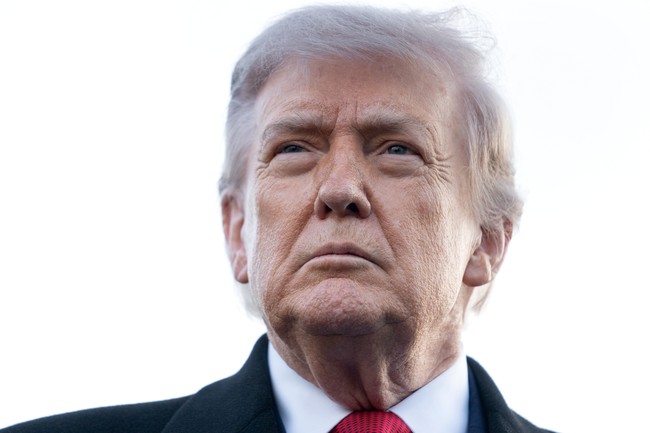
The editorial lands like a well-aimed shot across the bow, calling out the Trump-era DOJ for talking a bold Second Amendment game while quietly hedging on key cases and enforcement priorities. Rather than delivering the kind of aggressive, principle-driven defense that many gun owners expected after 2016, the piece argues the administration often defaulted to the same cautious, case-by-case posture that has long frustrated pro-2A advocates—treating the right to keep and bear arms more like a political talking point than a non-negotiable constitutional command. That inconsistency matters because it signals to lower courts and future administrations that even a nominally friendly DOJ may not push back hard against novel restrictions or novel theories of regulation.
For the broader gun-rights community, the takeaway is less about partisan score-settling and more about institutional muscle memory: federal agencies and career litigators tend to default to deference and incrementalism unless they are given explicit, sustained direction from the top. When that direction wavers, the practical effect is delayed relief in important cases, softer amicus positions, and a missed opportunity to reset precedent after decades of judicial drift. The editorial’s critique therefore functions as both a warning and a reminder that electoral victories alone do not automatically translate into durable legal gains; consistent, unapologetic defense of the right is required at every level of government.
Looking ahead, the piece underscores why many in the 2A space now emphasize not just who occupies the White House but how aggressively that administration staffs DOJ components, selects appellate nominees, and uses its enforcement discretion. Without that follow-through, even strong rhetoric can leave the right to arms vulnerable to the next wave of state and local restrictions or to a future administration that views the Second Amendment as an obstacle rather than a cornerstone.


