

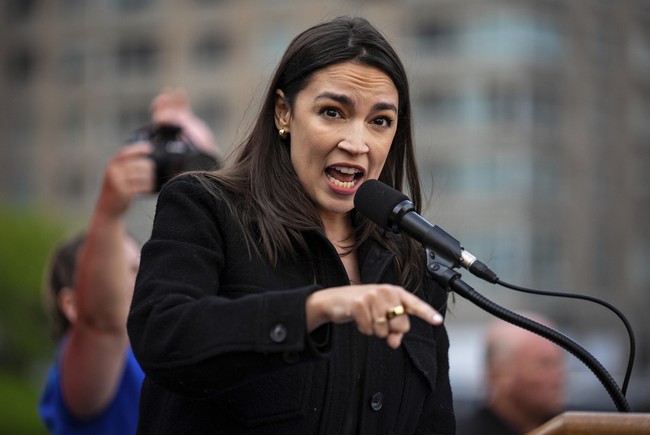
Alexandria Ocasio-Cortez has quietly built one of the most disciplined grassroots operations in modern politics, turning a Bronx congressional seat into a national platform that now openly eyes the White House in 2028. Her strategy blends relentless social-media messaging with targeted local organizing that keeps her base energized while she tests broader economic messaging on swing voters. For the 2A community this matters because AOC’s brand of democratic socialism treats private firearm ownership as an obstacle rather than a right, and her rising profile means the same infrastructure that pushed “assault-weapon” bans and magazine restrictions in New York could soon attempt to nationalize those policies under the banner of “equity” and “public safety.”
What makes her approach especially potent is the way she reframes gun-control measures as part of a larger redistribution agenda—pairing calls for confiscatory taxation with restrictions on the tools citizens might use to resist government overreach. That linkage is not accidental; it mirrors the historical pattern in which centralized power first disarms, then dispossesses. Pro-Second-Amendment voters who dismiss her as a fringe figure risk underestimating how quickly her digital army can turn once-moderate Democrats into reliable votes for national red-flag laws, universal background checks that function as registries, and the quiet erosion of shall-issue carry through federal funding incentives.
The practical takeaway for gun owners is straightforward: treat 2028 as an organizing deadline, not a distant hypothetical. Primary challenges, state-level preemption fights, and relentless pressure on institutional Republicans to codify protections like nationwide reciprocity and the Protection of Lawful Commerce in Arms Act must accelerate now, before AOC’s coalition locks in the nomination and the Overton window on firearms shifts further left. Ignoring that timeline hands her the initiative; recognizing it keeps the right to keep and bear arms from becoming another policy concession in the next progressive realignment.


