

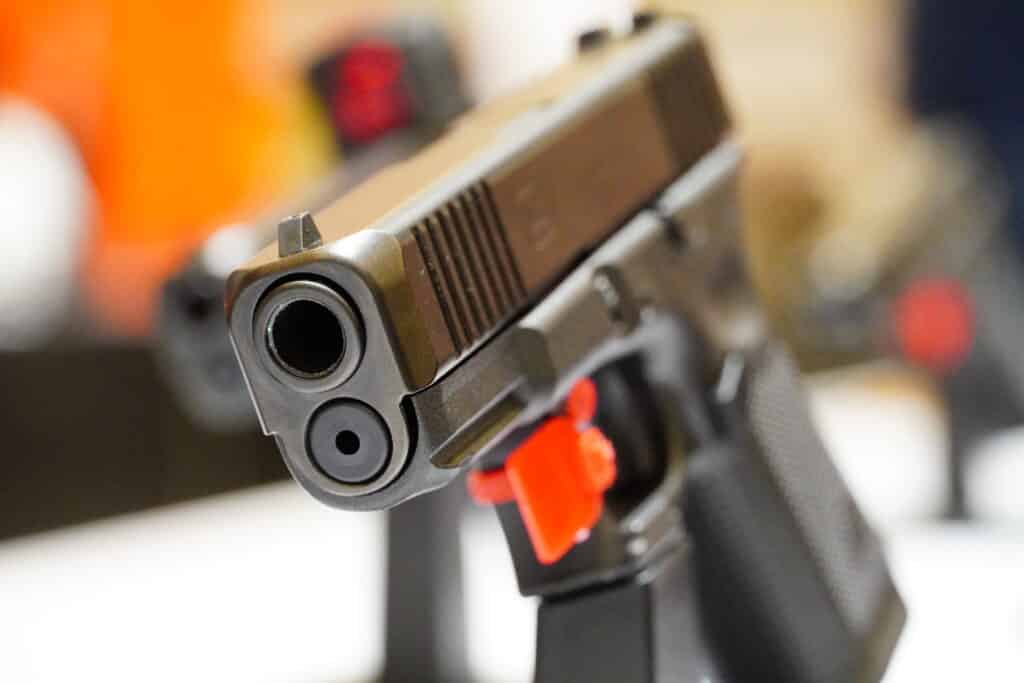
California’s handgun roster and its de facto Glock ban have long been Exhibit A in the state’s campaign to treat the Second Amendment like a privilege that Sacramento can ration rather than a right the Constitution demands be respected. By requiring every new model to pass a byzantine “safety” test that includes magazine-disconnect devices and loaded-chamber indicators—features many modern defensive pistols deliberately omit—California has effectively frozen the market in 2001-era technology while simultaneously banning the single most popular handgun platform in America. The DOJ’s decision to sue signals that the federal government now views these barriers not as neutral consumer-safety rules but as unconstitutional prior restraints that no other constitutional right would tolerate.
What makes the move especially potent is timing and precedent. After Bruen, courts are no longer allowed to balance away rights with “important governmental interests”; they must demand a historical analogue. California’s roster has none—colonial and founding-era governments did not maintain lists of approved handguns or force manufacturers to add features that degrade reliability. If the DOJ’s challenge succeeds, it will not only reopen the California market to Glocks, Staccatos, and the latest optics-ready pistols, but it will also set a template for dismantling similar “approved lists” in Massachusetts, New York, and elsewhere. The 2A community should watch this case closely: a win here could accelerate the post-Bruen rollback of the entire roster regime and remind states that they cannot simply legislate popular firearms out of existence by calling the restrictions “consumer protection.”


