

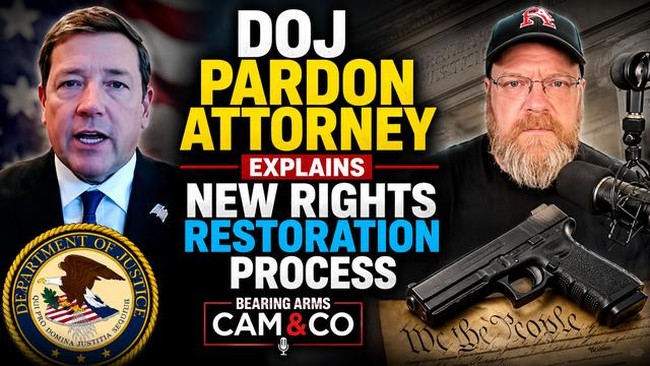
The Department of Justice’s decision to streamline the rights-restoration pipeline is more than bureaucratic housekeeping—it’s a tacit admission that the current web of lifetime prohibitions has swept in far too many citizens whose disqualifying events were neither violent nor recent. By shifting the burden from a years-long presidential-pardon slog to a structured application reviewed by career pardon attorneys, the administration is effectively creating an administrative “second look” that could return the vote and the gun to thousands of otherwise law-abiding Americans. For the gun-owning public, the practical payoff is twofold: first, it lowers the political temperature around clemency by routing cases through civil-service lawyers rather than White House staff; second, it signals that the pardon power can be exercised at scale without headlines screaming “soft on crime.”
Yet the real test lies in the criteria the DOJ intends to apply. If the new rubric weighs post-conviction conduct—steady employment, clean record since release, family obligations—more heavily than the original offense, the process could become a genuine off-ramp for non-violent felons. Conversely, if the same vague “public safety” catch-all that has long stymied relief petitions survives intact, the reform will amount to little more than a change in stationery. Either way, the move puts pressure on state legislatures to align their own restoration statutes; nothing undermines federal reform faster than a patchwork in which a person regains rights in D.C. only to remain a prohibited person in Richmond or Raleigh.
For the broader Second-Amendment community, the development is both an opportunity and a warning. It underscores that rights restoration is now a live policy battlefield where data, not slogans, will decide outcomes. Groups that can produce rigorous studies showing low recidivism among successful petitioners will shape the rules; those that cannot risk watching the window close as soon as the next administration takes office. In short, the DOJ has opened a narrow corridor back to constitutional status—how wide it stays depends on how persuasively advocates use it.


