

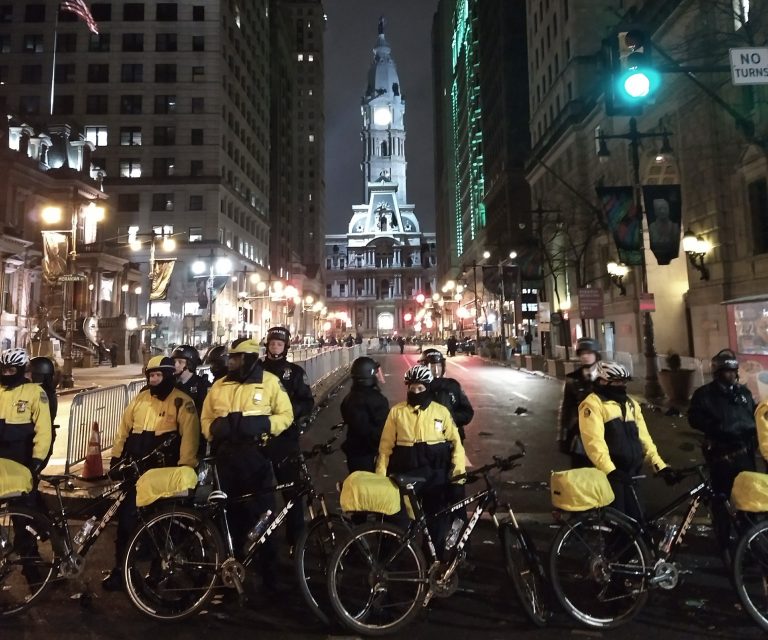
The Department of Justice’s decision to open a Second Amendment investigation into the Philadelphia Police Department marks a rare federal intervention on behalf of law-abiding gun owners rather than against them. At issue is the PPD’s apparent practice of delaying, denying, or otherwise obstructing lawful carry-permit holders—actions that, if proven, would place the city squarely in conflict with the post-Bruen landscape where shall-issue permitting and prompt processing are no longer optional. For years, Philadelphia’s permitting office has operated with the kind of bureaucratic friction that turns a constitutional right into an administrative endurance test; now the feds are signaling that such friction may itself be unconstitutional.
What makes this development especially noteworthy is the political inversion it represents. A DOJ led by an administration not traditionally viewed as pro-2A is nevertheless enforcing the Supreme Court’s recognition that the right to bear arms exists outside the home and cannot be nullified by endless paperwork or discretionary roadblocks. That creates an interesting precedent: if federal civil-rights enforcement can be leveraged to protect carry permits in deep-blue cities, the same mechanism could be used elsewhere whenever local officials treat licensing as a choke point rather than an administrative formality. The 2A community should watch the investigation’s scope closely; a finding against Philadelphia would hand advocates a powerful new tool for challenging similar delays in other jurisdictions.
Longer term, the case underscores how enforcement of the right to keep and bear arms is shifting from purely legislative or judicial arenas into the realm of administrative oversight. If the DOJ follows through with meaningful remedies—whether consent decrees, mandated timelines, or even funding conditions—it could accelerate the normalization of shall-issue permitting nationwide and reduce the practical barriers that still exist even after landmark court victories. For permit holders in Philadelphia and beyond, the message is clear: the Constitution’s protections are only as strong as the institutions willing to enforce them, and that list may now include an unexpected new player.


