

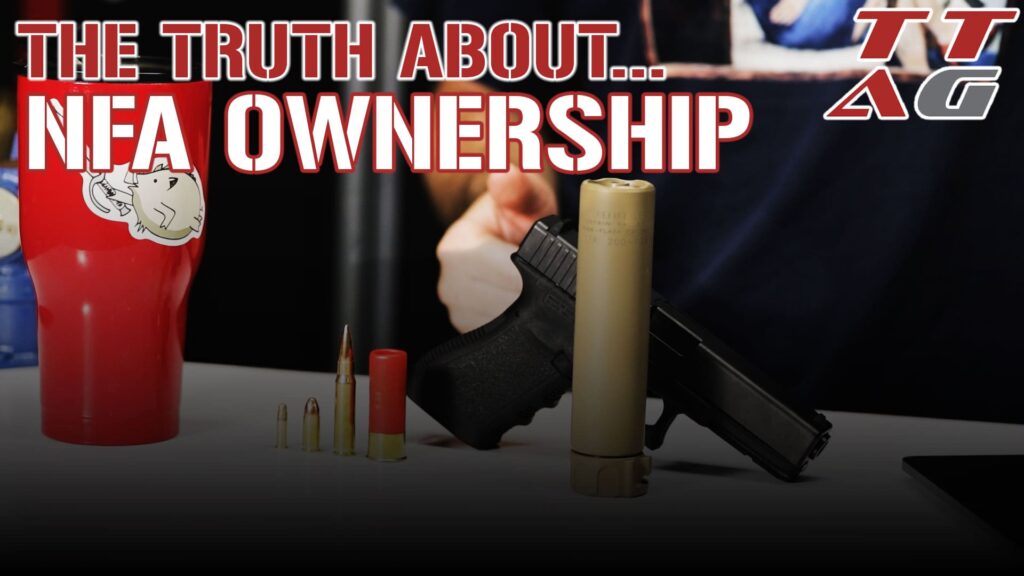
The Department of Justice’s decision to let the stay lapse is more than a procedural footnote—it’s the first time since the National Firearms Act of 1934 that a federal court has functionally severed the registration-and-tax regime for an entire class of NFA items. By allowing the injunction to take effect, the DOJ has handed the Second Amendment community a live-fire demonstration that the administrative state’s chokehold on suppressors is neither inevitable nor permanent. The move also signals that the Bureau of Alcohol, Tobacco, Firearms and Explosives may be recalibrating its risk calculus: rather than roll the dice on an emergency appeal that could produce an adverse nationwide precedent, DOJ appears content to let the Fifth Circuit litigation play out while the injunction governs in Texas and, by extension, wherever Silencer Shop’s customers reside.
For the broader gun-owning public, the practical effect is immediate and tangible. Suppressors that once required fingerprints, photographs, CLEO notification, a $200 tax, and months of bureaucratic delay can now change hands like any other firearm accessory in jurisdictions covered by the order. That shift doesn’t merely save time and money; it reframes suppressors from exotic, quasi-illegal devices to mainstream safety equipment—an argument the industry has advanced for years but that regulators have long resisted. The development also puts fresh pressure on other circuits and state legislatures: once Texans can buy a suppressor over the counter, the optics of maintaining a parallel, more restrictive regime elsewhere become harder to defend.
Strategically, the episode underscores how fragile the NFA’s century-old architecture really is when subjected to ordinary constitutional scrutiny. Litigants have long argued that the $200 tax—unchanged since 1934—functions as a de-facto ban for many citizens; the injunction gives that argument its first real-world test. If the Fifth Circuit ultimately affirms the district court’s reasoning, expect a cascade of copycat suits, interstate reciprocity headaches for the ATF, and a scramble by manufacturers to expand capacity. Conversely, if DOJ reverses course and secures a stay pending appeal, the community will at least have harvested valuable discovery and political momentum. Either way, the Overton window has shifted: suppressors are no longer an untouchable third rail of gun policy, and that alone is a win for the right to keep and bear arms.


