

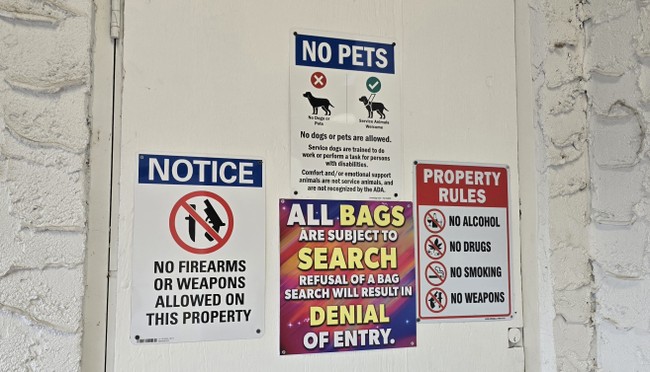
The Department of Justice’s decision to sue Montgomery County, Maryland, over its sweeping “sensitive places” restrictions is more than a legal skirmish—it’s a direct rebuke of the post-Bruen trend of turning entire counties into de-facto gun-free zones. By carving out schools, parks, libraries, and even private businesses that merely “hold a license to serve alcohol,” the county tried to stretch the Supreme Court’s historical-analogue test into a blank check for discretionary prohibition. DOJ’s filing makes clear that such an approach collapses the distinction between truly sensitive government buildings and the ordinary public square where millions of law-abiding citizens live and work.
For the 2A community, the lawsuit signals that the Biden Justice Department is willing to police its own side when lower courts or local officials ignore Bruen’s command to demand real historical evidence rather than policy preferences. That matters because the same logic Montgomery County deployed—label a place “sensitive,” then ban carry—has already been replicated in New York, New Jersey, and Illinois. If DOJ prevails, those copy-cat regimes will face the same constitutional headwind, narrowing the battlefield to the handful of locations the Court itself flagged: courthouses, jails, and polling places on election day.
The larger implication is strategic: every successful challenge shrinks the map of “may-issue” territory that localities hope to recreate through the back door of sensitive-place rules. Permit holders in the D.C. suburbs now have a litigation roadmap, advocacy groups have fresh precedent to cite, and the industry can plan product roll-outs and training classes with greater certainty that rights restored at the Supreme Court won’t be nullified at the zoning board. In short, DOJ just reminded local officials that the Constitution is not a suggestion—it’s the ceiling on how far any county can push.


