

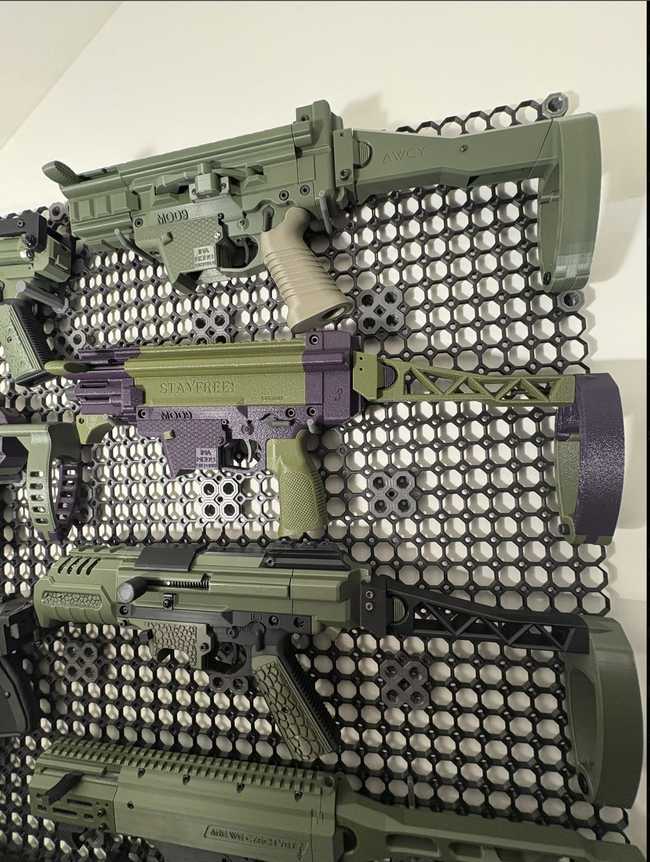
New York’s latest attempt to muzzle 3D printers isn’t just another gun-control headline—it’s a direct shot across the bow of every American who believes the right to keep and bear arms includes the right to make them. By criminalizing the digital files and hardware that let individuals fabricate receivers or frames, Albany is effectively declaring that the means of production themselves are now suspect, a move that collides head-on with both the plain text of the Second Amendment and the Supreme Court’s recent emphasis on historical tradition in Bruen. The law’s broad language sweeps in hobbyists, gunsmiths, and even researchers who have never touched a firearm, turning everyday CAD software and desktop printers into potential contraband and chilling innovation that has nothing to do with crime.
What makes the statute especially dangerous is how easily its logic travels beyond the gun world. If lawmakers can ban the distribution of firearm-related code because it might be misused, the same rationale could be applied to encryption keys, 3-D-printed medical devices, or any other technology that offends the political class. That precedent threatens not only the cottage industry of at-home gunsmithing that has flourished since the first plastic lowers hit the market, but also the broader ecosystem of open-source design, small-batch manufacturing, and decentralized production that has powered everything from drone racing to custom prosthetics. For the 2A community, the fight isn’t merely about keeping one more tool in the toolbox; it’s about preventing government from deciding which technologies citizens are allowed to own and share in the first place.


