

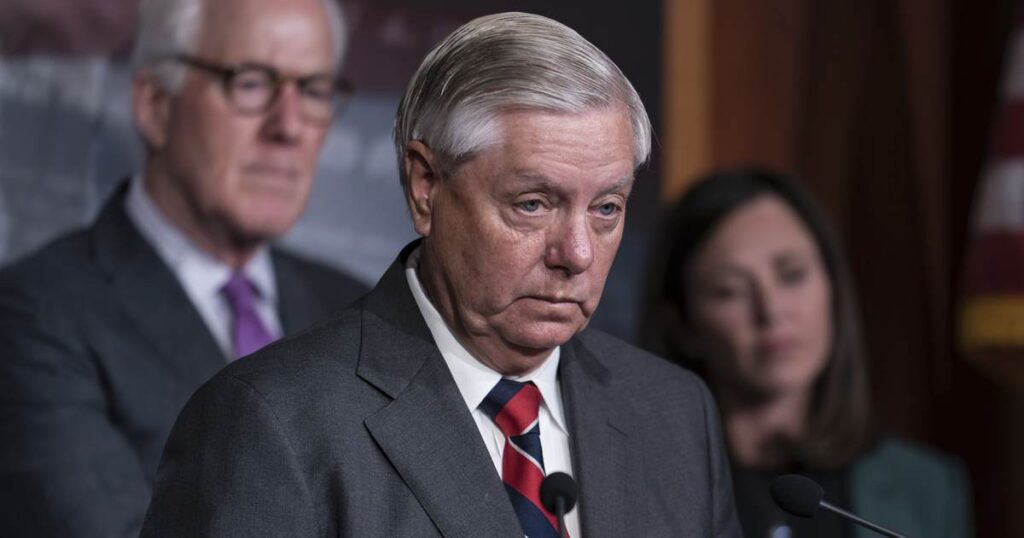
Sen. Lindsey Graham’s sudden passing, framed by NBC News as likely a cardiac event, lands like a gut-punch to the Senate’s pro-Second Amendment bloc. Graham has long been one of the few reliable voices on the Judiciary Committee willing to push back against sweeping gun-control amendments, and his absence creates an immediate vacuum that anti-2A senators will try to exploit during the next must-pass spending bill or ATF-rule fight. The timing is especially stark: with the Supreme Court’s Bruen framework still under siege in lower courts and several high-profile pistol-brace and receiver cases pending, losing a senior Republican who understands both the politics and the constitutional stakes could tilt committee votes at the worst possible moment.
For the broader gun-owning public, the episode is another reminder that electoral margins are razor-thin and that cardiac events don’t wait for midterms. Grass-roots groups already scrambling to defend constitutional carry expansions and suppress the pistol-brace rule now face an added layer of uncertainty—who replaces Graham, how quickly, and whether that replacement shares his willingness to attach pro-2A riders to must-pass legislation. In short, the story isn’t just about one senator’s health; it’s about how quickly the legislative chessboard can tilt against the right to keep and bear arms when a single, dependable vote disappears.


