

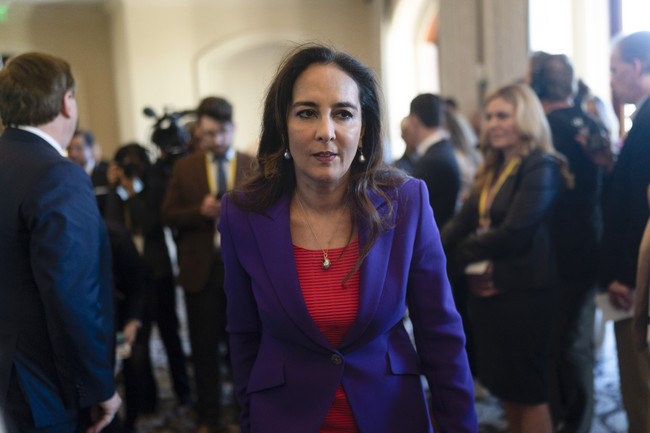
Harmeet Dhillon’s blunt courtroom challenge to Virginia and California isn’t just another press release—it’s a calculated escalation in the post-Bruen landscape where states keep daring the judiciary to draw hard lines on the Second Amendment. By publicly daring two of the most anti-gun jurisdictions to “see y’all in court,” Dhillon is signaling that the old game of slow-walking compliance or burying challenges in procedural weeds is over; the Supreme Court’s recognition of the right to bear arms outside the home has given plaintiffs a sharper sword, and she intends to wield it. The move also spotlights how blue-state attorneys general have grown comfortable treating Bruen as a suggestion rather than binding precedent, betting that district courts will still tilt left even when higher courts have already shifted the terrain.
For the 2A community, the real story isn’t the headline-grabbing rhetoric but the precedent that could follow. A decisive win in either state would create immediate, nationwide ripple effects: Virginia’s carry-permit regime and California’s magazine and “assault weapon” restrictions would face accelerated scrutiny, and copy-cat laws in New York, New Jersey, and Illinois would suddenly look far more vulnerable. Conversely, a loss at the district level could tee up another Supreme Court showdown, forcing the justices to decide whether Bruen’s history-and-tradition test applies with equal force to the most entrenched gun-control regimes or whether some states still enjoy a carve-out. Either outcome accelerates the timeline on which ordinary citizens in restrictive states regain meaningful access to the right to keep and bear arms.
Strategically, Dhillon’s approach also underscores a broader shift inside the gun-rights legal ecosystem: away from purely defensive litigation and toward affirmative, multi-front campaigns that treat every new restriction as an opportunity to lock in favorable precedent. By going on offense in two very different political environments—Virginia’s purple legislature versus California’s deep-blue supermajority—she is testing whether the post-Bruen judiciary will apply uniform constitutional standards or continue to tolerate geographic disparities in fundamental rights. For law-abiding gun owners watching from the sidelines, that test case could determine whether the Second Amendment finally functions as a true nationwide guarantee or remains a patchwork of shall-issue and may-issue fiefdoms.


