

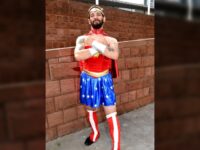
DC Comics’ decision to roll out a “Pride Month” Wonder Woman who is biologically male but identifies as a woman is the latest example of legacy entertainment brands treating their most iconic characters as blank canvases for contemporary identity politics. What once stood as an unambiguous symbol of female strength—created by a man who explicitly wanted to celebrate women—has been repurposed to signal allegiance to an ideology that insists biological sex is optional. For the firearms community the message is unmistakable: if even Wonder Woman can be redefined by corporate fiat, then every cultural institution is fair game for the same revisionism that already paints gun owners as existential threats rather than citizens exercising a constitutionally protected right.
The timing is no accident. While media conglomerates lavish attention on niche sexual and gender narratives, real-world data continues to show that lawfully armed citizens—disproportionately straight, married, and middle-class—remain the demographic least likely to commit violent crime. Yet the same outlets celebrating the new Wonder Woman rarely pause to note that defensive gun uses outnumber criminal ones by wide margins each year, or that states with constitutional carry have not descended into the predicted bloodbaths. The contrast reveals a deliberate narrative strategy: elevate fringe identities while pathologizing the largest single civil-rights movement in America, the one anchored by the Second Amendment.
For 2A advocates the lesson is straightforward—culture is the upstream battlefield that determines whether rights are celebrated or caricatured. When entertainment giants normalize the erasure of biological reality in the name of inclusion, they simultaneously legitimize the parallel effort to erase the plain text of the Constitution in the name of “public safety.” Gun owners who treat pop-culture skirmishes as irrelevant distractions are ignoring the same institutions that later draft model legislation, fund school curricula, and shape the next generation of jurors and legislators. Staying armed is essential, but staying culturally engaged is what keeps the legal and moral framework that protects those arms from being quietly rewritten.


