

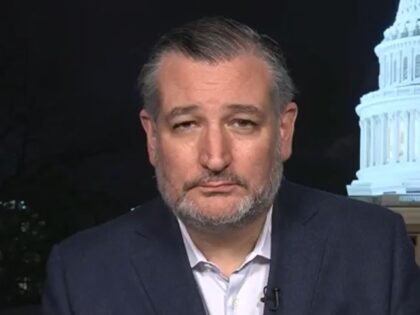
Sen. Ted Cruz’s blunt rejection of Flock’s automated license-plate cameras lands like a warning shot across the bow of the surveillance state. The Texas Republican framed the issue in unmistakably constitutional terms: once government can track every law-abiding driver in real time, the same infrastructure can be repurposed to monitor lawful gun purchases, range visits, or even attendance at pro-Second-Amendment rallies. For the 2A community, the danger is not hypothetical; several jurisdictions have already floated proposals to cross-reference Flock data with concealed-carry permit rolls, effectively creating a digital roster of gun owners without ever passing new legislation.
The cameras’ appeal—solving smash-and-grabs and amber alerts—masks a deeper shift in the balance of power between citizen and state. Unlike traditional warrants that require individualized suspicion, Flock’s dragnet collects data first and asks questions later, inverting the Fourth Amendment’s presumption of innocence. Gun owners who have watched the ATF’s pistol-brace rule and the pistol “frame or receiver” rule materialize from regulatory memos understand how quickly an ostensibly neutral database can be weaponized. Cruz’s stance signals that at least some elected officials recognize the same pattern playing out with ubiquitous surveillance tech.
If Flock’s network continues to metastasize, the practical effect will be a chilling tax on the exercise of enumerated rights. Law-abiding carriers may start leaving firearms at home rather than risk an automated ping that places them at a protest, a gun show, or a politically disfavored location. That is not a slippery-slope argument; it is the predictable outcome when the government’s eyes never blink and its memory never fades. Cruz’s willingness to call the cameras out by name gives the 2A community a timely reminder that defending the right to keep and bear arms now requires equal vigilance against the infrastructure that would log every trip to the range.


