

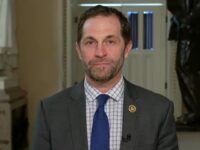
Rep. Jason Crow’s vow to “push hard” for answers on the Iran school bombing lands at a moment when the same foreign-policy reflexes that fuel proxy wars abroad are quietly reshaping the domestic landscape for American gun owners. The Colorado Democrat’s focus on accountability is welcome, but the underlying dynamic—Washington’s willingness to treat distant conflicts as blank checks for surveillance, sanctions, and narrative control—has a direct read-through to the Second Amendment. Every time an administration leans on emergency powers or “national security” carve-outs to monitor financial flows or throttle speech, the same toolkit can be, and has been, repurposed to track lawful firearm purchases or chill online gun-rights discussion under the banner of stopping “extremism.”
The timing is especially pointed because the Biden-Harris team has already floated new ATF rules and DOJ guidance that would treat certain imported firearm parts or ammunition components as potential vectors for sanctions evasion. If the Iran incident escalates into another round of broad authorities, expect renewed pressure to expand those tracing mechanisms, close supposed “loopholes,” and pressure banks and payment processors to flag gun-related transactions. That’s not speculation; it’s the pattern that followed past Middle East flare-ups, when hastily written executive orders bled into domestic regulatory creep.
For the 2A community the takeaway is straightforward: foreign-policy opacity and domestic gun-control opportunism travel together. Crow’s promised oversight may yield useful facts about the bombing itself, but it will do nothing to restrain the administrative state from using the same secrecy to tighten the vise on American gun owners unless pro-Second Amendment voices treat every overseas crisis as a front in the fight to keep government out of our gun safes and off our gun stores.


