

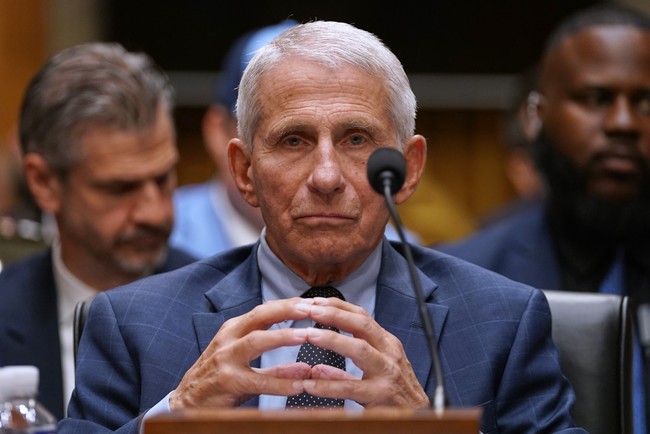
The COVID-19 era exposed how quickly governments can weaponize public-health emergencies to strip citizens of fundamental liberties, and the 2A community watched the playbook unfold in real time. While Fauci’s shifting guidance on masks, lockdowns, and vaccine mandates dominated headlines, the deeper story was the quiet expansion of emergency powers that sidelined legislatures and courts—the same mechanisms that historically precede gun-control surges. When statehouses shuttered and governors ruled by decree, magazine bans, “ghost-gun” restrictions, and red-flag laws advanced with minimal debate, proving that any crisis can be leveraged to chip away at the right to keep and bear arms.
For gun owners, the lesson is unmistakable: an administrative state willing to shutter churches, bankrupt small businesses, and track private citizens’ movements will not hesitate to treat firearms as the next public-health menace. The pandemic’s supply-chain breakdowns also underscored why personal preparedness—ammunition reserves, spare parts, and the ability to manufacture or repair firearms at home—remains a practical necessity rather than a fringe talking point. Communities that retained strong preemption statutes and constitutional-carry protections fared far better at preserving access to firearms and training than those where officials could simply close ranges and gun stores by fiat.
Looking ahead, the 2A movement must treat every emergency-power statute as a potential gun-control vehicle. Legislative sunset clauses, judicial oversight requirements, and explicit protections for firearms-related commerce should become standard demands whenever future crises are declared. If the pandemic proved anything, it is that rights not actively defended during panic-driven governance will be negotiated away long before the next “unprecedented” moment arrives.


