

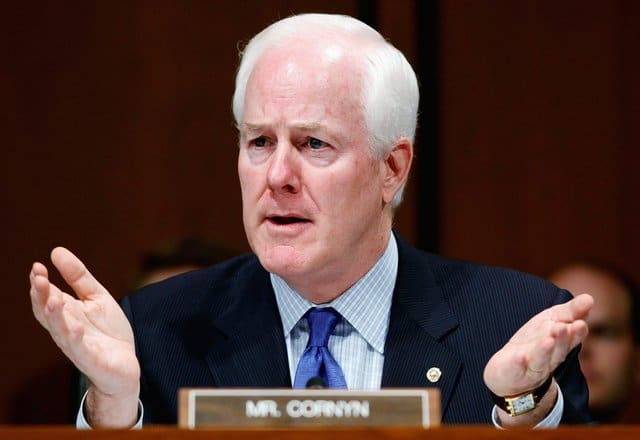
Sen. John Cornyn’s new bill is a direct counter-punch to the wave of creative litigation that has tried to turn the Protection of Lawful Commerce in Arms Act into Swiss cheese. By tightening the statute’s language around “public nuisance” claims, the measure would slam the door on activist attorneys who have shopped novel theories in places like New York and California, hoping judges will let cities and counties treat every lawful sale as a tort waiting to happen. The practical effect is simple: manufacturers and FFLs could once again focus on making and selling products instead of writing seven-figure checks to settle cases that blame them for the acts of criminals they never met.
For the broader Second Amendment community, this is more than a technical fix; it is a recognition that the right to keep and bear arms includes a functioning marketplace. When trial lawyers can threaten bankruptcy over a single misuse, the economic pressure ripples upstream to component suppliers, ammunition makers, and even gun ranges that host training. Cornyn’s language would restore the original congressional bargain struck in 2005—protecting lawful commerce while leaving actual bad actors fully exposed under traditional tort and criminal law. That balance matters because every compliance dollar spent fighting nuisance suits is a dollar not spent on R&D for safer designs or expanded domestic manufacturing capacity.
If the bill advances, expect the usual coalition of gun-control groups and deep-pocket plaintiffs’ firms to frame it as a “get-out-of-jail-free card,” but the data tell a different story: PLCAA has never shielded anyone who violated federal or state statutes, and Cornyn’s update simply prevents courts from rewriting the statute through the back door of equity. For owners, instructors, and small FFLs who have watched liability-insurance premiums climb, the legislation offers a measure of breathing room that could keep more brick-and-mortar shops in business and more trainers on the range. In short, it is a legislative reaffirmation that lawful commerce in arms is not a public nuisance—it is a constitutionally protected supply chain.


