

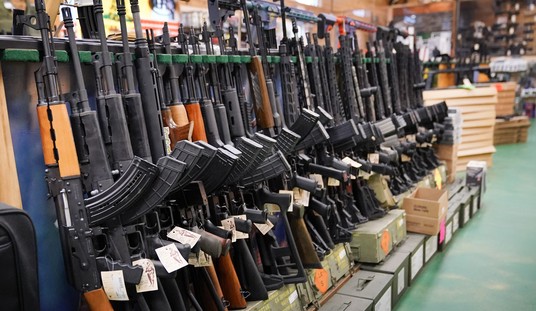
Connecticut’s attorney general is now openly soliciting pro bono legal talent to bankroll a lawsuit against the firearms industry, a move that reveals just how cash-strapped and ideologically driven the effort has become. Rather than using taxpayer dollars to hire experienced litigators, the state is essentially crowd-sourcing its war chest—asking private attorneys to donate hundreds of billable hours in hopes of pinning liability on manufacturers for the criminal misuse of their products. It’s a transparent attempt to stretch limited resources while signaling to the gun-control base that “something is being done,” even if the legal theory remains constitutionally shaky after the Supreme Court’s Bruen decision and the Protection of Lawful Commerce in Arms Act.
For the 2A community, the ploy is both a warning and an opportunity. On one hand, it underscores the persistence of lawfare: even when legislation stalls, activist AGs can keep manufacturers tied up in discovery, press releases, and mounting defense costs. On the other, it spotlights the weakness of the underlying case—if the state can’t afford to pay its own lawyers, jurors and judges may rightly question whether the claims have merit or are simply political theater. Industry groups and civil-rights organizations should treat this as a chance to expose the hypocrisy of “public-interest” litigation that relies on unpaid conscripts while simultaneously demonizing the very businesses expected to fund their own defense.
Longer term, the gambit risks backfiring. Every dollar and hour spent fighting these suits is a dollar not spent on R&D, safety innovation, or community outreach by manufacturers. Yet each dismissed or narrowed claim also builds precedent that narrows the avenues for future litigation. If Connecticut’s fishing expedition fails, it could chill copy-cat efforts in other blue states and reinforce the PLCAA’s liability shield—the exact outcome gun-control advocates fear most.


