

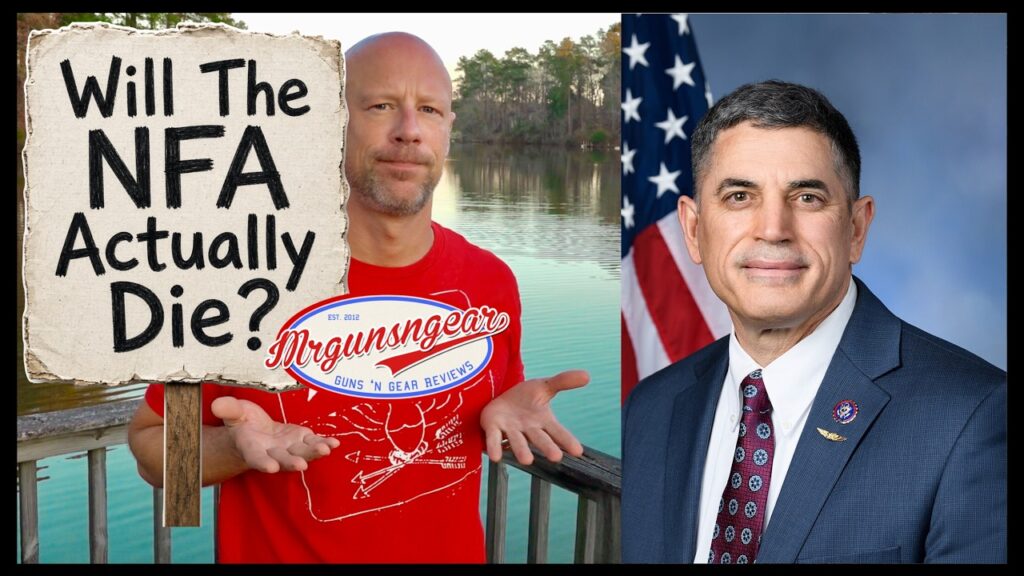
Rep. Andrew Clyde’s call to repeal the National Firearms Act isn’t just another press release—it’s a direct challenge to the 1934 law that first turned ordinary Americans into federal “taxpayers” simply for wanting a short-barreled rifle or a suppressor. By framing the NFA as an outdated revenue scheme rather than a serious public-safety measure, Clyde reframes the debate: if the government can’t show that a $200 tax stamp and nine-month wait actually reduce crime, the statute collapses under its own logic. That argument resonates in a post-Bruen world where courts are finally asking whether a regulation is consistent with the nation’s historical tradition, not whether it sounds sensible to a 21st-century bureaucrat.
For the broader Second Amendment community, the timing matters. With suppressors already legal in 42 states and polling near 70 percent approval, the NFA’s original rationale—that these items are “gangster” weapons—has aged about as well as Prohibition. Repeal would instantly commercialize an entire cottage industry, drop prices, and normalize hearing-safe shooting the way the 1986 machine-gun freeze normalized collecting transferable autos. More importantly, it would strip the ATF of a powerful discretionary tool: the same paperwork regime that now drags on suppressors could just as easily be applied to the next politically disfavored accessory. Ending the NFA therefore isn’t only about items; it’s about depriving regulators of the precedent they need to keep expanding the definition of “firearm.”
The practical effect on grassroots activism is equally significant. GOA’s decision to platform Clyde signals that repeal language is moving from “aspirational talking point” to legislative draft. If even a single committee markup forces Democrats to defend a Depression-era tax on gun accessories, the optics shift from “gun safety” to “gun-owner shakedown.” That reframing could bleed into statehouses where similar stamp taxes or registration schemes still linger. In short, Clyde’s interview isn’t about one bill—it’s a stress test for whether the post-Bruen judiciary and a post-2024 Congress are finally ready to retire the NFA’s 90-year experiment in prior restraint.


