

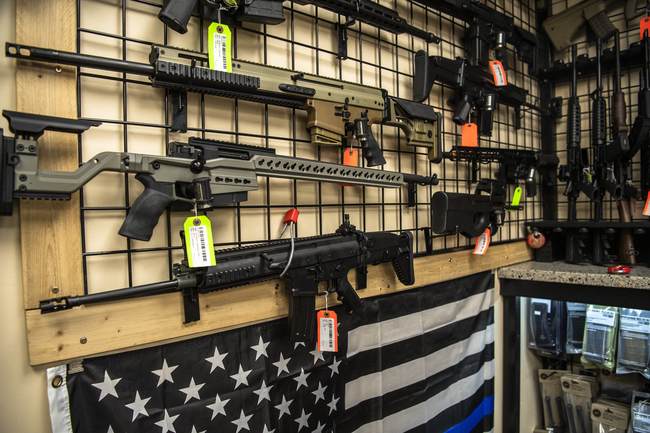
Colorado’s latest push to brand certain counties as “gun deserts” is less about public safety and more about weaponizing geography against lawful gun owners. By spotlighting rural areas that lack the dense retail footprint of urban centers, anti-gun activists and compliant media are trying to paint the absence of gun stores as evidence of some moral or regulatory victory—when in reality it simply reflects lower population density, different cultural priorities, and the fact that many Coloradans already own what they need. The narrative conveniently ignores that these same counties often have higher per-capita ownership rates and robust private transfers, training events, and shooting ranges that don’t register on the “store count” metric activists love to cite.
What makes the claim especially cynical is how it flips the usual anti-2A script: instead of complaining that guns are too available, they now complain that guns aren’t available enough in places where demand is naturally lower. This sleight-of-hand lets them argue for still more restrictions while pretending to care about “access equity,” all while urban counties with the strictest rules and highest crime rates remain flush with black-market firearms. For the 2A community the takeaway is clear—don’t let opponents redefine success as the creation of artificial scarcity; every new “desert” designation is really just another data point showing that law-abiding citizens will route around obstacles, whether through private sales, neighboring states, or the constitutional right to keep and bear arms that no zoning map can erase.


