

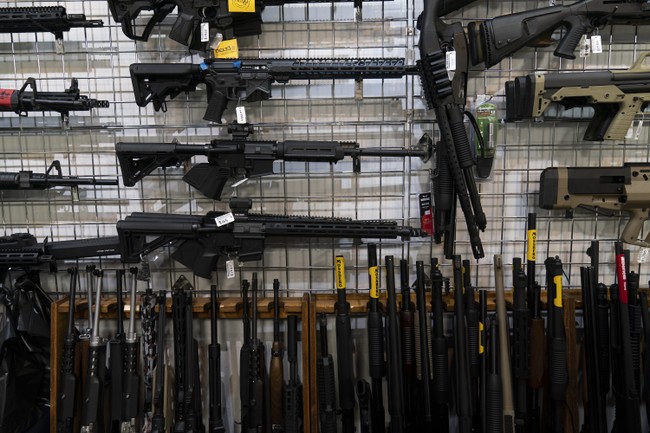
CMMG just flipped the script on how gun makers can push back against anti-2A states by refusing to give law enforcement agencies any special treatment when civilians are locked out of the same hardware. Instead of quietly selling restricted rifles or pistols to police departments in places like California, New York, or Illinois while telling regular citizens “tough luck,” the company now demands that if a department wants CMMG’s products, the underlying state laws must treat every lawful purchaser the same. That single policy change turns the usual “law enforcement exemption” loophole into a pressure point: agencies either lobby their legislatures to loosen restrictions or they shop elsewhere, and the optics of cops getting gear civilians can’t touch suddenly look a lot less comfortable for politicians.
The move lands at a moment when several blue states are tightening magazine limits, feature bans, and “assault weapon” definitions even further, betting that law enforcement carve-outs will keep departments supplied and quiet. CMMG’s stance removes that safety valve and forces a choice—either restore equal access or watch recruitment and retention headaches grow as officers train with less capable platforms than their civilian counterparts in free states. For the broader 2A community the signal is clear: manufacturers don’t have to play the old game of feeding the enforcement arm of gun-control regimes while the rest of us get squeezed; they can make the political cost of those regimes visible in police parking lots and training budgets. If more companies follow suit, the industry’s economic leverage could start doing what decades of litigation and ballot measures have struggled to achieve—making discriminatory gun laws expensive to maintain rather than politically cheap.


