

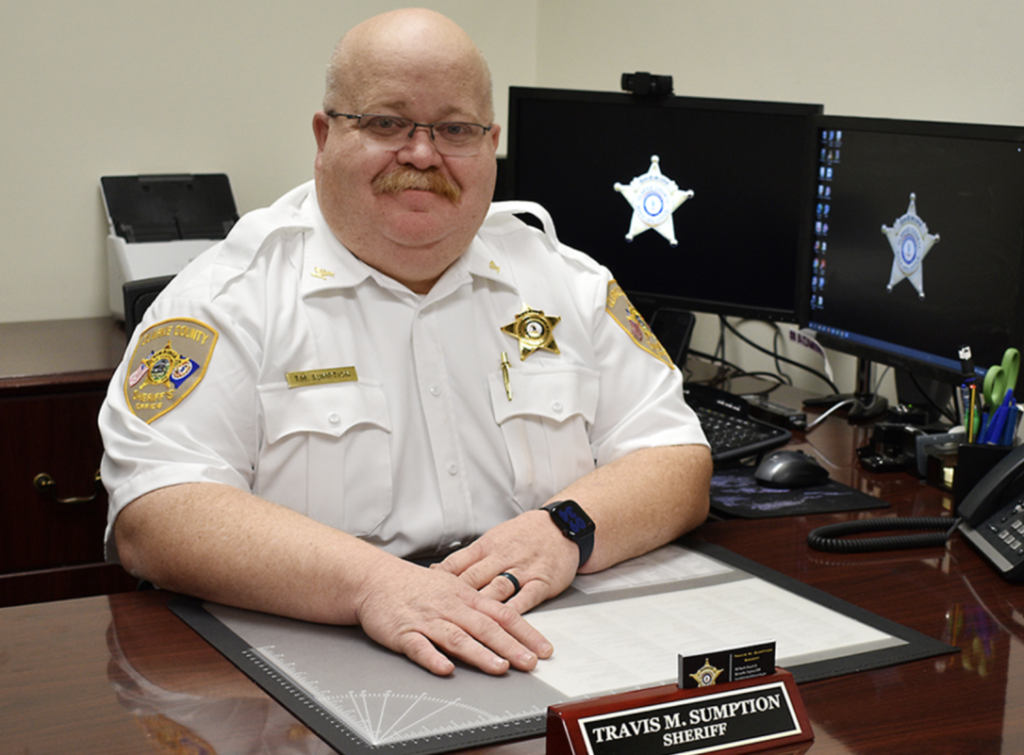
In a move that’s quickly becoming a pattern across the Commonwealth, Clarke County Sheriff Travis Sumption and Commonwealth’s Attorney Tyson Axselle have become the ninth Virginia jurisdiction to publicly declare they will not enforce the state’s newly minted assault weapons ban. Rather than treating the law as settled policy, these officials are reading it for what it is: an unconstitutional overreach that collides head-on with both the Second Amendment and Article I, Section 13 of the Virginia Constitution. Their refusal isn’t mere political theater; it’s a calculated stand that forces Richmond to confront the reality that paper restrictions mean little without willing local enforcers.
What makes this development especially telling is the geographic and political spread of the resistance. From rural counties to suburban prosecutors’ offices, elected officials who actually have to explain these policies to their neighbors are choosing constitutional fidelity over compliance theater. The message to gun owners is unmistakable: the enforcement apparatus is fracturing before the ink on the ban is even dry. For the 2A community, this isn’t just about one sheriff or one statute—it’s proof that sustained local pushback can turn a statewide edict into a patchwork of non-enforcement zones, effectively nullifying the law where it matters most.
The longer-term implication is a quiet but powerful recalibration of power. When sheriffs and prosecutors treat an assault weapons ban as unenforceable on its face, they shift the practical burden back onto a legislature that would rather outsource the political costs to local law enforcement. This dynamic doesn’t just protect current gun owners; it raises the political price of future restrictions and signals to other states that Virginia’s model of localized defiance is both legally grounded and electorally viable. In short, the Ninth Jurisdiction isn’t an outlier—it’s a template.


